
Neighborhood Guides
Salem, Massachusetts: Historic Streets, Waterfront Living, and Year-Round Culture
Kathleen Militello, Realtor® · Published November 3, 2026 · 8 min read · Boston's Coastal North Shore
Neighborhood Guides
Kathleen Militello, Realtor® · Published November 3, 2026 · 8 min read · Boston's Coastal North Shore
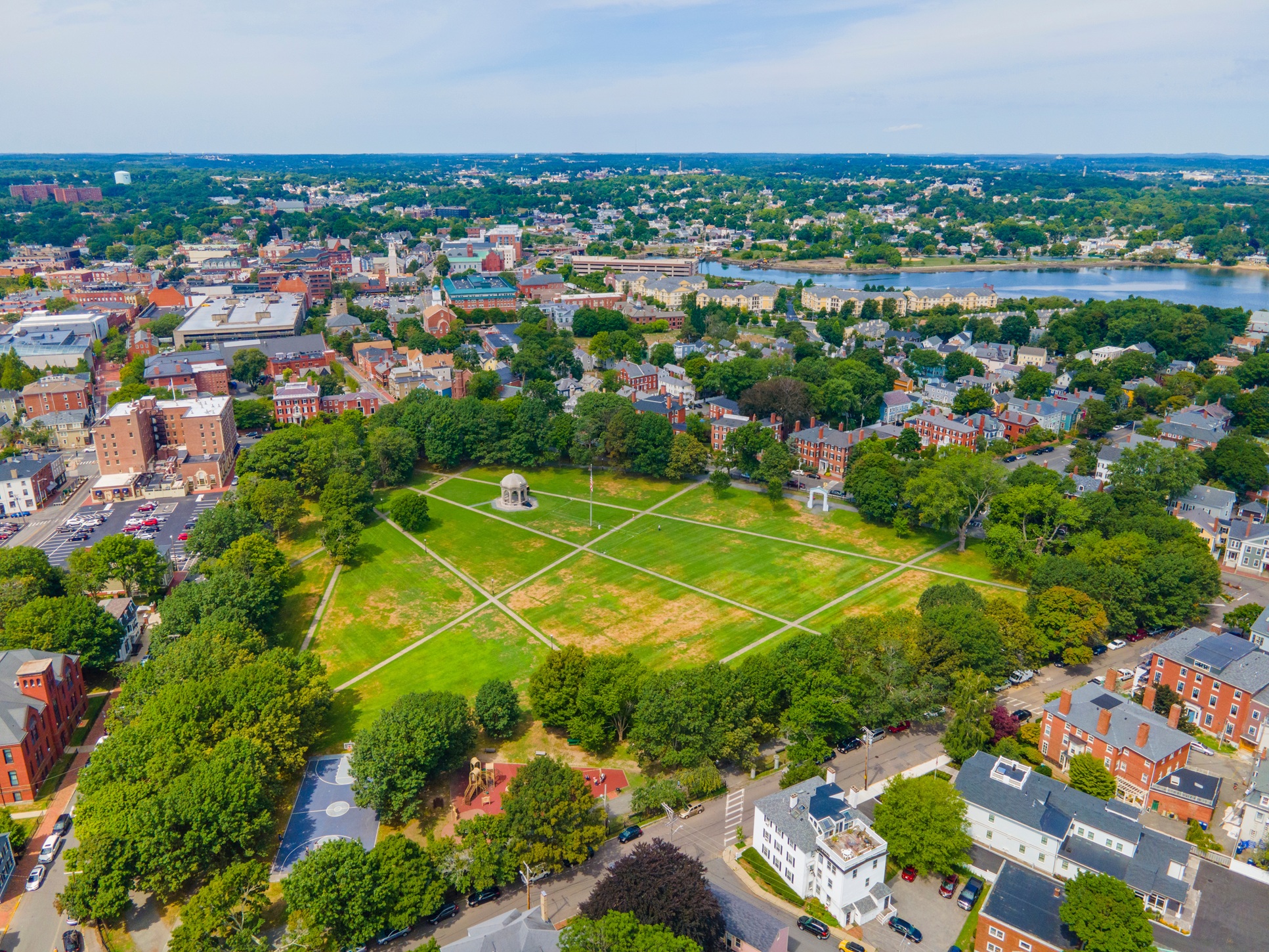
Salem is one of my favorite coastal cities on the North Shore, and I never tire of walking its streets. Federal-era houses, a working harbor, and a cultural calendar that runs all year sit side by side here, which is why Salem feels like a place to live, not just a place to visit. This guide walks through Salem's founding, the architecture that defines its historic districts, waterfront living on the Neck and harbor, and the year-round culture that makes the city so much more than its famous October season.
Salem's story on this coast began in 1626, when a company of fishermen from Cape Ann, led by Roger Conant, settled at what is now Salem. The settlement was first called Naumkeag, the town was incorporated in 1629, and it became a city in 1836, according to the city's history. That makes Salem one of the oldest continuously settled cities in the country, and its streets have been building on that history ever since.
The 1692 witch trials remain the most famous chapter in that story, and Salem tells it with care. But the city is far more than that one story. After the Revolution, Salem entered a maritime golden age, and the China trade filled the harbor with ships while turning sea captains into merchants of real wealth.
That era left its mark on the waterfront. Derby Wharf, one of the great commercial wharves of the sailing age, still reaches into Salem Harbor, and the streets around it grew up around the merchants and mariners who built the city. Walk that ground today and you are walking through four centuries of American history.
Salem's historic streets are defined by the work of Samuel McIntire, the architect and carver whose Federal-era designs shaped the city's grandest homes. Chestnut Street and the McIntire Historic District are known for their Federal-era houses, with elegant doorways, refined cornices, and proportions that still feel graceful three centuries later.
The House of the Seven Gables, one of the nation's oldest surviving 17th-century wooden mansions, anchors the literary side of Salem's story. Nathaniel Hawthorne's Salem roots tie the city to American literature, and the house that carries the title of his novel lets visitors stand in the setting of the story.
What I love about these districts is that they are lived-in neighborhoods, not museum sets. Brick sidewalks, gardens, and everyday life are tucked between the landmarks, so the architecture is part of how people actually live here.
Salem Willows is the heart of waterfront recreation here. This 35-acre park on Salem Neck was designated a city park in 1858, named for the white willow trees planted around 1801. In 1877 the Naumkeag Street Railway began running horse-drawn trolleys to the Willows, and the amusement park opened in 1880, according to the Salem State University archives and Salem Willows history.
The park's waterfront Restaurant Row became famous for shore dinners, and eating by the water remains part of Salem life today. Derby Wharf and the waterfront parks along the harbor give residents places to walk, picnic, and watch the boats, all within sight of downtown.
The harbor itself is a working waterfront, with fishing boats, marina slips, and seasonal activity that keeps the water busy. For buyers, that mix of park, wharf, and working harbor is a big part of Salem's appeal: the water is part of everyday life, not a weekend destination.
Salem's October season is storied, and it draws visitors from around the world, but the city's culture runs all year. The Peabody Essex Museum is the anchor: it traces to the East India Marine Society, founded in 1799 by Salem sea captains, which makes it the oldest continuously operating museum in the country, according to the museum. Its collections include a 200-year-old Chinese house, a direct reminder of the China trade that built Salem.
Beyond the museum, the city supports galleries, theaters, live music, and a dining scene that makes Salem a destination for an evening out in any season. The arts community keeps the calendar full from January through December.
That is what sets Salem apart on the North Shore. It is the city people from surrounding towns drive into for an opening, a show, a dinner, or a festival, and it holds that role because the culture here never shuts down for the season.
For residents, Salem offers a rare combination of small-city convenience and coastal character. Historic neighborhoods, waterfront parks, restaurants, museums, and the working waterfront are all close together, and the harbor is part of everyday life here.
For buyers, that means a housing market with real variety: period homes with architectural character, condominiums with harbor views, and neighborhoods where the waterfront and downtown are close by. Sellers find a market that understands what makes Salem different, because the city's history and waterfront are woven into its value.
I know Salem and the coastal towns around it well, and I will tell you what I really think about how a street, a neighborhood, or a particular home might fit your life. Let's look at your options.
Salem was settled in 1626 by a company of fishermen from Cape Ann led by Roger Conant, incorporated in 1629, and became a city in 1836, making it one of the oldest continuously settled cities in the country.
Samuel McIntire's Federal-era architecture, Chestnut Street, and the McIntire Historic District define Salem's historic streets, alongside the House of the Seven Gables and Nathaniel Hawthorne's literary legacy.
Salem Willows, a 35-acre waterfront park on Salem Neck designated a city park in 1858, anchors waterfront recreation, with horse-drawn trolleys from 1877, an amusement park from 1880, and a famous waterfront Restaurant Row.
The Peabody Essex Museum traces to the East India Marine Society of 1799, making it the oldest continuously operating museum in the country, and its collections include a 200-year-old Chinese house.
Ask Kathleen
Straight answers to the questions about living in Salem that come up most, from the article above.
Salem was settled in 1626 by a company of fishermen from Cape Ann led by Roger Conant. The settlement was first called Naumkeag, the town was incorporated in 1629, and it became a city in 1836, according to the city's history. That makes it one of the oldest continuously settled cities in the country.
The Peabody Essex Museum traces to the East India Marine Society, founded in 1799 by Salem sea captains, which makes it the oldest continuously operating museum in the country, according to the museum. Its collections include a 200-year-old Chinese house, a direct link to the China trade that built Salem's maritime golden age.
Salem Willows is a 35-acre waterfront park on Salem Neck that was designated a city park in 1858, named for the white willow trees planted around 1801. In 1877 the Naumkeag Street Railway began running horse-drawn trolleys to the Willows, and the amusement park opened in 1880. Its waterfront Restaurant Row became famous for shore dinners, according to the Salem State University archives and Salem Willows history.
Related topics
salem massachusetts real estate ·salem homes for sale ·salem historic district ·chestnut street salem ·samuel mcintire architecture ·salem waterfront living ·salem harbor ·salem willows park ·derby wharf salem ·peabody essex museum ·salem 1626 history ·living in salem ma ·salem year round culture ·salem city guide north shore ·north shore coastal towns

Written by
Kathleen Militello, Realtor®
The Militello Team · eXp Realty · MA Salesperson License 9053343 · Serving Boston's Coastal North Shore
Keep reading
Whether you are drawn to a period home near downtown or a condo with harbor views, I know Salem and the towns around it, and I will tell you what I really think. Let's talk about what makes sense for you.
Kathleen Militello, Realtor®
The Militello Team | eXp Realty
Experience Matters.