Relocation
From Boston to the Coast: Why the North Shore Keeps Calling This Fall
Kathleen Militello · Published October 2, 2026 · Updated October 2, 2026 · 9 min read
Relocation
Kathleen Militello · Published October 2, 2026 · Updated October 2, 2026 · 9 min read
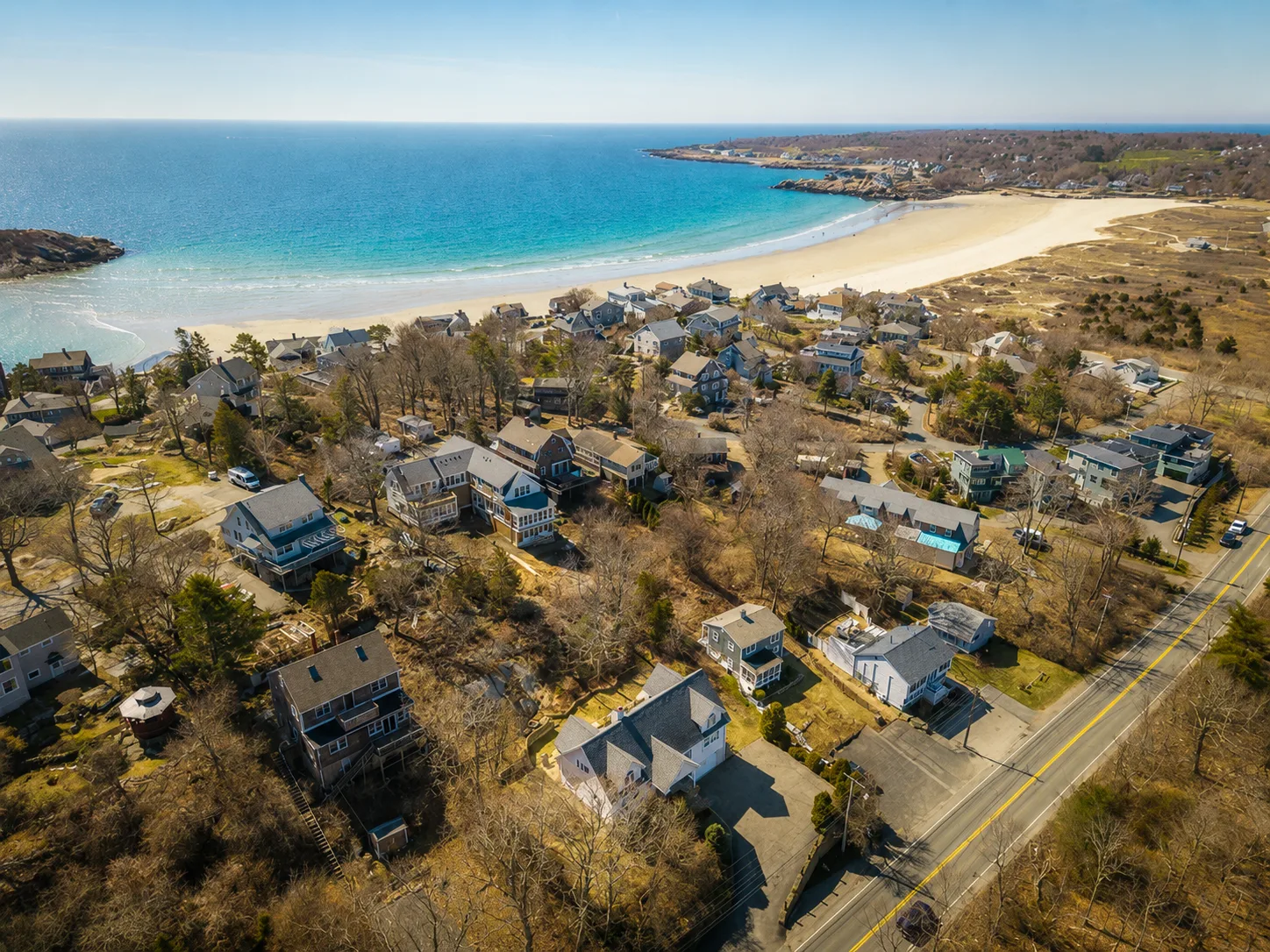
September and October are when Boston-area buyers start looking north in earnest, and there is good reason. The coastal North Shore towns are close enough to feel like a real option and different enough to feel like a genuine change: walkable historic downtowns, water on three sides of a peninsula, and a pace that slows after summer. This guide is about that seasonal pull, what the move north actually means for the way a week works, and why fall is the best time of year to find out whether a coastal town fits you.
Key Takeaways
The move north is usually a trade in lifestyle as much as square footage: coastline, community, and a slower rhythm in exchange for the density of the city.
The Newburyport/Rockport line connects the coastal towns to Boston's North Station, with typical rides from the closer stations roughly 30 to 45 minutes; test the ride at the times you would actually travel.
Fall is the season to visit a town properly: fairs, farmers' markets, and town centers show the everyday rhythm of a community before winter settles in.
Look beyond the house: parking, school commutes, train station access, and what stays open year-round tell you what daily life in the town would actually feel like.
Spend real time in a town before you decide, and talk with someone who knows the coast to match the town to your life.
When a Boston-area household starts looking at the North Shore, the conversation is usually about more than square footage. It is a trade between two ways of living: the density and convenience of the city, and the coastline, community, and slower rhythm of a coastal town.
For many buyers, the trade is practical: more room for the same money, a yard, water nearby, parking that does not involve a garage hunt. For just as many, it is a lifestyle trade: weekend routines become everyday routines, and the commute becomes a train ride instead of a drive.
The towns are not interchangeable versions of the suburbs. Each one has its own character: working harbors, artist villages, historic centers, beach neighborhoods. Part of the pull north is finding the town whose character matches the life you actually want, and the coast gives you real choices.
The MBTA Newburyport/Rockport commuter rail line connects the coastal towns, with stations from Newburyport through Rowley, Ipswich, Hamilton, and Manchester-by-the-Sea, then Beverly, Salem, and Swampscott on the way to Boston's North Station, with a branch serving Gloucester and Rockport. Typical rides from the closer stations run roughly 30 to 45 minutes.
What 'close enough' means depends on how you will actually travel. For some buyers the train is the point: a seat, a window, and time to read instead of driving. For others, the drive to the station, the parking, and the walk to the platform decide more than the ride itself.
The honest way to answer the commute question is to test it: ride the line at the times you would ride it, drive at rush hour, and do it in the season you would actually live it, winter included. Schedules and times change, so the current schedule is the real source. And remember that 'close enough' is a personal number, not a real estate one.
Fall is the best season to spend real time in a North Shore town. The summer crowds are gone, the fairs and farmers' markets are running, the town centers are busy but not frantic, and the light sits low and golden on the water. You see the everyday rhythm of a community, not the holiday version of it.
This month has plenty of reasons to go: the Topsfield Fair is underway and Salem's Haunted Happenings fills the October weekends. This weekend's guide covers what is on, and the Rockport Farmers' Market and other town markets are still running their late-season Saturdays.
Visiting in fall shows you what a town feels like after the busy season: who is out on a Saturday, which shops stay open, how the streets sound on a quiet evening, and how the light sits on the harbor. That is the version of the town you would actually live in, and it is the one worth seeing before winter.
When you are looking at a coastal town, the house is only part of the picture. The daily life around it decides whether the move will work, and fall is a good time to notice the details: parking, school commutes, train station access, and what is open year-round.
Walk the downtown on a weekday and again on a weekend. Notice where you would park, where you would get coffee, and whether the things you need are there in January as well as in July. Ask how the schools run, how far the bus or the morning drop-off is, and how the streets handle the first snow.
Look at the station if there is one: can you walk to it, is there parking, and what is the bike path like? Check the grocery run. Notice what is closed after Labor Day and what stays open. The details that seem small on a sunny October Saturday are the details that shape a winter week.
Most of all, give each town a second look at a different time and a different day. One visit is a first impression; two or three, at real hours, are information. That is how you learn whether a town fits your life and not just your weekend.
The best move I see buyers make is to spend real time in a town before they decide anything about a house. Come for a fair, a market, a late afternoon walk. See how the town feels on a Tuesday and a Saturday, and picture your actual week there, not a postcard of it.
I have lived and worked on this coast for more than twenty years, and I know how differently these towns can fit different lives. I am happy to help you think through how a coastal town would fit yours, from the commute and the seasons to the things that only show up after a few visits. Browse each town's guide to start, and bring me your questions from there.
If the coast keeps calling, the way to answer it is with a few good weekends in the towns that fit your commute and your life. Book a conversation with me and we will talk through where to start. Warmly, Kathleen Militello, Realtor, eXp Realty.
Ask Kathleen
Straight answers to the questions this season keeps bringing up, from the article above.
For many households, no. The commuter rail links the coastal towns to Boston's North Station, with typical rides from the closer stations roughly 30 to 45 minutes, and a train seat is a calmer way to start a day than driving. Whether it works for you is personal: test the ride at the times you would travel and decide from your own week, not from a rule of thumb.
No. Beneath the summer visitors, these are year-round communities with full-time households, schools, year-round businesses, and a real town calendar. The second-home market exists alongside everyday living, and fall is a good time to see the year-round version of a town before it settles into winter.
Spend real time in them. Walk the downtown on a weekday and a weekend, visit a fall fair or farmers' market, ride the train at commute time, and talk to the people who live there. Community guides and local agents help you know what to look for, but time in the town itself is the test that matters.
Yes. The shore quiets after summer, but the year-round communities keep their own rhythm: schools, libraries, town events, restaurants that stay open through winter, and the everyday life residents actually live. If a town feels thin after Labor Day, that tells you something; most coastal North Shore towns do not, because their life is not seasonal.
Start with a short list of towns that fit your commute and the way you want to live, then spend a weekend or two exploring them in person. The fastest way to narrow the list is to talk with someone who knows the towns, and I am happy to help you match a coastal town to your week before you ever look at a single house.
The same questions and answers, un-styled and sequential, so they can be read and extracted easily.
Q: Is the North Shore too far to commute to Boston?
A: For many households, no. The commuter rail links the coastal towns to Boston's North Station, with typical rides from the closer stations roughly 30 to 45 minutes, and a train seat is a calmer way to start a day than driving. Whether it works for you is personal: test the ride at the times you would travel and decide from your own week, not from a rule of thumb.
Q: Are North Shore towns only for vacation homes?
A: No. Beneath the summer visitors, these are year-round communities with full-time households, schools, year-round businesses, and a real town calendar. The second-home market exists alongside everyday living, and fall is a good time to see the year-round version of a town before it settles into winter.
Q: What's the best way to explore towns before buying?
A: Spend real time in them. Walk the downtown on a weekday and a weekend, visit a fall fair or farmers' market, ride the train at commute time, and talk to the people who live there. Community guides and local agents help you know what to look for, but time in the town itself is the test that matters.
Q: Do coastal towns have year-round community life?
A: Yes. The shore quiets after summer, but the year-round communities keep their own rhythm: schools, libraries, town events, restaurants that stay open through winter, and the everyday life residents actually live. If a town feels thin after Labor Day, that tells you something; most coastal North Shore towns do not, because their life is not seasonal.
Q: How do I start if I'm coming from Boston?
A: Start with a short list of towns that fit your commute and the way you want to live, then spend a weekend or two exploring them in person. The fastest way to narrow the list is to talk with someone who knows the towns, and I am happy to help you match a coastal town to your week before you ever look at a single house.

Written by
Kathleen Militello, Realtor®
The Militello Team · AI Certified Agent™ · Certified Negotiation Specialist™ · eXp Realty
From the page to the porch
A note can only tell you so much. Let Kathleen take you through the towns, the streets, and the options that actually fit.