Relocation
Moving from Boston to the North Shore: A Practical Guide
Published September 30, 2026 · Updated September 30, 2026 · 7 min read
Relocation
Published September 30, 2026 · Updated September 30, 2026 · 7 min read
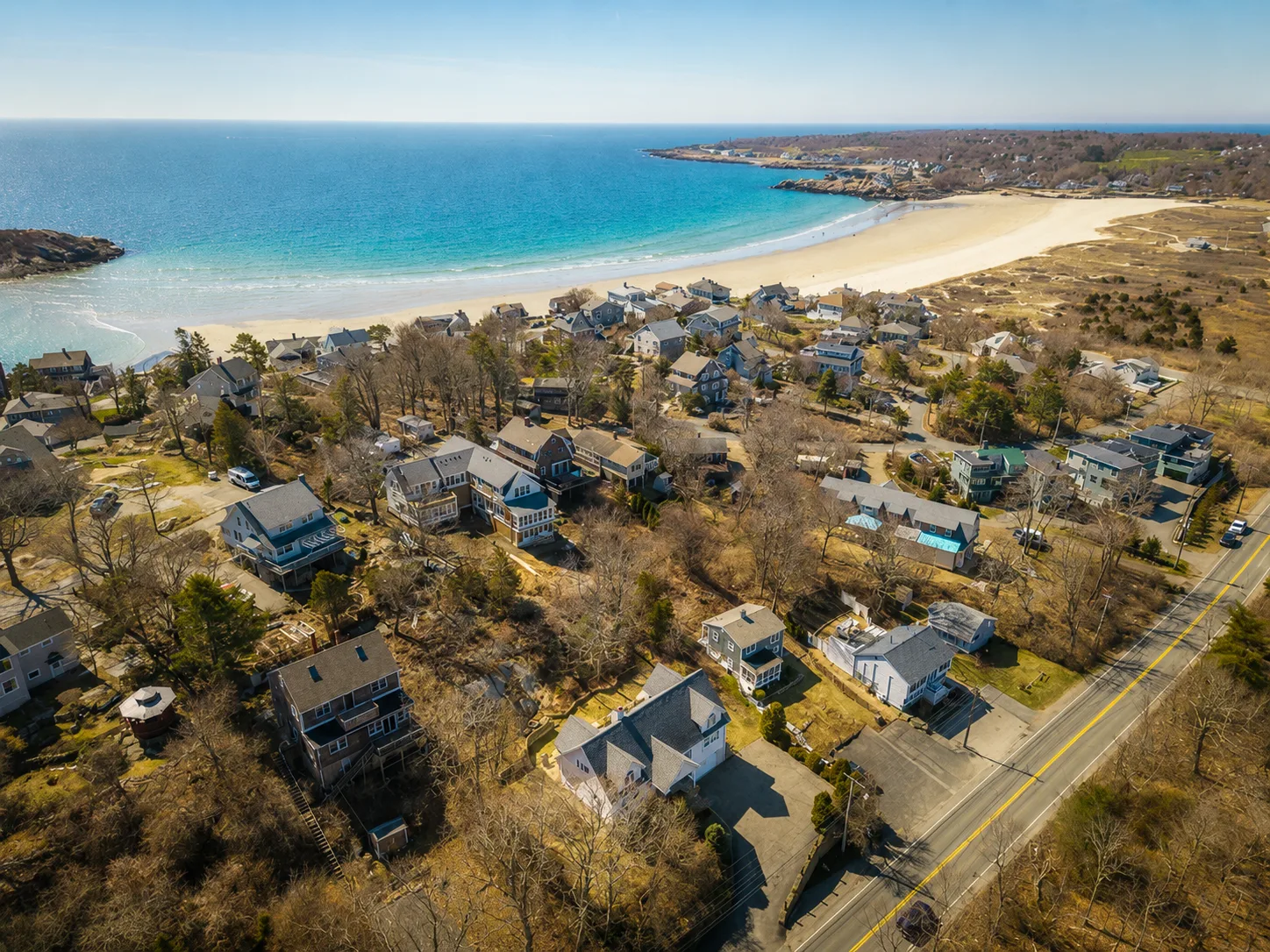
You have been thinking about it every time you pass a North Shore town on the way to the beach: what would it be like to actually live here? More space, a yard, water nearby, a commute that is a real train ride instead of a parking hunt. This guide walks through the practical side of the move, grounded in what the towns and the train line actually offer.
Key Takeaways
The Newburyport/Rockport Line reaches Salem in about 30 minutes from North Station, Beverly in about 35 to 40, and the farther coastal towns in about an hour.
The same budget that buys a condo in many Boston neighborhoods often reaches a single-family home with a yard in a coastal town.
Coastal living brings real trade-offs: salt air, winter storms, flood insurance near the water, and coastal maintenance.
Towns differ meaningfully in commute, walkability, schools, housing stock, and price, so the choice is personal, not generic.
Give the move a full year: the first winter is the hardest test, and the first summer is the reward.
The reasons I hear most often are space, schools, the coast, and the commute balance. Boston is a wonderful city to live in, but for many households the math stops working: the apartment gets tighter, the outdoor space never materializes, and the idea of a yard, a garage, or a quiet street starts to win.
The North Shore is not inexpensive, and it is worth being honest about that. The Warren Group, reported by Banker & Tradesman, put the median single-family sales price on the North Shore at about $860,000 through the first five months of 2026. But in practice, the same budget that buys a condo in many Boston neighborhoods often reaches a single-family home with a yard in a coastal town, and that trade is the heart of most moves I see.
Households with school-age children often weigh school districts heavily, and the differences between towns are real. The buyers' guide to North Shore school districts walks through how to compare them.
And then there is the coast itself. Beaches, harbors, conservation land, and a working waterfront are part of daily life here in a way they are not in the city. For people who grew up near the water or always wanted to, that pull is hard to overstate.
The biggest practical change is the commute, and the honest version is that the train makes it workable. On the Newburyport/Rockport Line, Salem is about 30 minutes from North Station, Beverly about 35 to 40, and Newburyport, Gloucester, and Rockport roughly an hour. Actual times vary by train and branch, and the line splits at Beverly, so the current schedule is the honest source for exact numbers.
The commute is different in kind, not just length. You are not driving in traffic; you are riding a train with a predictable schedule, which means you can read, work, or simply not drive. The trade-offs are real too: station parking fills early in some towns, trains run less often in the evening than the T does, and winter weather occasionally disrupts service.
If the commute is the deciding factor, test it before you commit. Ride the line in both directions on the day you would actually travel, and see what the station, the parking, and the walk to the platform feel like. The commuter rail guide covers the stations and the rides in detail.
Space is usually the first thing people notice. A single-family home with a yard, a basement, and a garage changes how a household lives: there is room for guests, hobbies, storage, and the stuff that made the city apartment feel small.
The pace is different too. Evenings are quieter, weekends follow the seasons, and the town calendar, fairs, harvest festivals, beach days, holiday strolls, becomes the social rhythm. That is a feature for most people who move here, and it takes about a year to fully adjust to.
Coastal living brings its own realities. Salt air, fog, and winter storms are part of the deal, and homes close to the water can carry flood insurance requirements and coastal maintenance costs. None of that should scare you off, but it belongs in the math before you buy, and a local agent who knows the coastline is worth the conversation.
Start with the commute, because it is the fixed cost of every day. Then weigh walkability, schools, housing stock, and budget, in the order that matters to your household. The walkable towns guide and the home styles tour are good places to start.
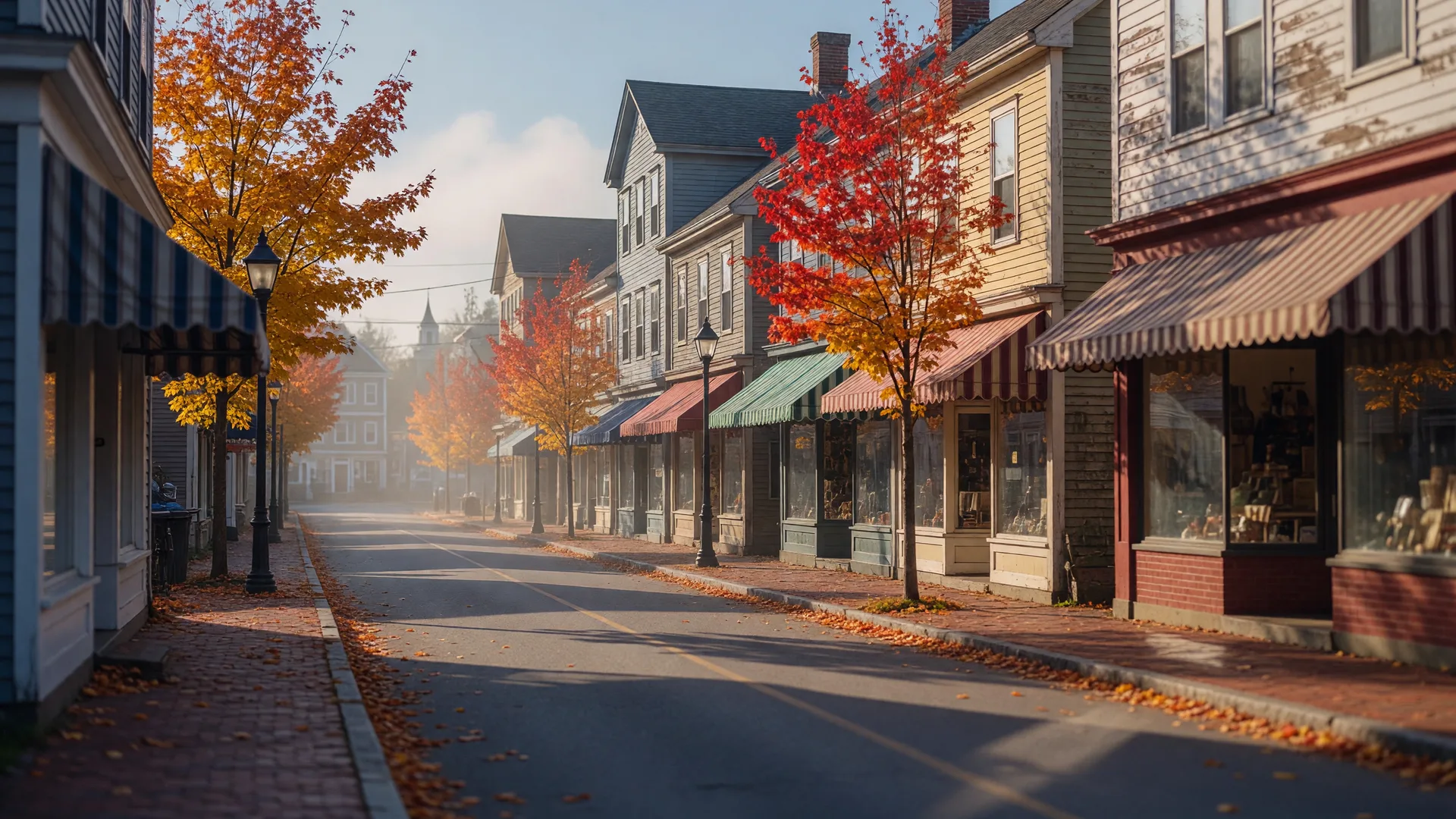
Each town has a different character, and the differences are the point. Salem has a historic downtown and the shortest rail ride. Beverly is a classic train town with beaches on both sides. Ipswich is farms, beaches, and First Period houses. Gloucester is a working harbor city on Cape Ann. Newburyport is a waterfront downtown at the end of the line. Manchester-by-the-Sea and Essex are small coastal villages with price tags to match.
Run the numbers town by town before you get attached to a specific house. Median prices differ meaningfully between towns, property taxes vary, and the same budget buys different homes in different places. The fall 2026 market update has the latest verifiable town figures.
Finally, visit in different seasons. A town that is charming in June is a different place in January, and the winter visit tells you things the summer one cannot. Spend real time in the downtown, walk the streets, and talk to people who live there.
The first year has a rhythm. If you move in the fall, you land in foliage season: the Topsfield Fair, apple picking, and the first crisp weekends. Winter brings the quiet season, coastal storms, and the slow discovery of who plows your street. Spring is when the market wakes up and outdoor life returns. Summer is beaches, visitors, and the realization that the coast is now your backyard.
Practical things to line up early: the commuter rail pass and station parking, the town plow schedule, a good local hardware store, and a trusted list of tradespeople for the inevitable coastal-maintenance questions. Kathleen's vendor directory is a head start on the last one.
Give yourself a full year before judging the move. The first winter is the hardest test, and the first summer is the reward. Most people I have helped move here say the same thing by year two: they cannot imagine going back.
The North Shore is not a compromise from Boston. It is a different way of living, and for most people who move here, the trade is worth it. Kathleen has lived and worked here for more than 20 years, and she will tell you what she really thinks about each town. Call or text (978) 500-1480, or book a conversation, and start the move with someone who knows the coast.
Ask Kathleen
Straight answers to the questions this season keeps bringing up, from the article above.
On the Newburyport/Rockport Line, Salem is about 30 minutes from North Station, Beverly about 35 to 40, and Newburyport, Gloucester, and Rockport roughly an hour. Times vary by train and branch, so the current schedule is the honest source for exact numbers.
In practice, the same budget that buys a condo in many Boston neighborhoods often reaches a single-family home with a yard in a coastal town. The North Shore is not inexpensive: the median single-family home sold for about $860,000 through the first five months of 2026, per The Warren Group data reported by Banker & Tradesman. The trade is space and lifestyle for a longer commute.
The Newburyport/Rockport Line serves Swampscott, Salem, Beverly, Hamilton and Wenham, Ipswich, Rowley, Newburyport, Manchester-by-the-Sea, Gloucester, and Rockport. The Haverhill Line serves the inland side. Station parking, walkability, and train frequency vary by town.
Homes close to the water can carry flood insurance requirements and coastal maintenance costs, and the weather is part of the deal. Ask about a property's history, insurance costs, and any coastal regulations before you commit. A local agent who knows the coastline is worth the conversation.
Start with the commute, then weigh walkability, schools, housing stock, and budget. Each town has a different character: Salem's historic downtown, Beverly's train town energy, Ipswich's farms and beaches, Gloucester's working harbor, Newburyport's waterfront. Visit in different seasons and spend real time in the downtown before you decide.
The same questions and answers, un-styled and sequential, so they can be read and extracted easily.
Q: How long is the commute from the North Shore to Boston?
A: On the Newburyport/Rockport Line, Salem is about 30 minutes from North Station, Beverly about 35 to 40, and Newburyport, Gloucester, and Rockport roughly an hour. Times vary by train and branch, so the current schedule is the honest source for exact numbers.
Q: Is the North Shore more affordable than Boston?
A: In practice, the same budget that buys a condo in many Boston neighborhoods often reaches a single-family home with a yard in a coastal town. The North Shore is not inexpensive: the median single-family home sold for about $860,000 through the first five months of 2026, per The Warren Group data reported by Banker & Tradesman. The trade is space and lifestyle for a longer commute.
Q: Which North Shore towns are on the commuter rail?
A: The Newburyport/Rockport Line serves Swampscott, Salem, Beverly, Hamilton and Wenham, Ipswich, Rowley, Newburyport, Manchester-by-the-Sea, Gloucester, and Rockport. The Haverhill Line serves the inland side. Station parking, walkability, and train frequency vary by town.
Q: What should I know before buying a coastal home?
A: Homes close to the water can carry flood insurance requirements and coastal maintenance costs, and the weather is part of the deal. Ask about a property's history, insurance costs, and any coastal regulations before you commit. A local agent who knows the coastline is worth the conversation.
Q: How do I choose between North Shore towns?
A: Start with the commute, then weigh walkability, schools, housing stock, and budget. Each town has a different character: Salem's historic downtown, Beverly's train town energy, Ipswich's farms and beaches, Gloucester's working harbor, Newburyport's waterfront. Visit in different seasons and spend real time in the downtown before you decide.
Summary: Kathleen Militello is a Realtor with eXp Realty, MA License 9053343, serving Boston's Coastal North Shore. This guide explains why households move from Boston to the North Shore, how the commuter rail commute works, how to choose a town, and what the first year of coastal living is like.

Written by
Kathleen Militello, Realtor®
The Militello Team · AI Certified Agent™ · Certified Negotiation Specialist™ · eXp Realty
Related Posts
From the page to the porch
A note can only tell you so much. Let Kathleen take you through the towns, the streets, and the options that actually fit.