
Neighborhood Guides
Living in Gloucester, Massachusetts: Which Neighborhood Feels Like Home?
Kathleen Militello · Published October 20, 2026 · Updated October 2026 · 12 min read · Gloucester
Neighborhood Guides
Kathleen Militello · Published October 20, 2026 · Updated October 2026 · 12 min read · Gloucester
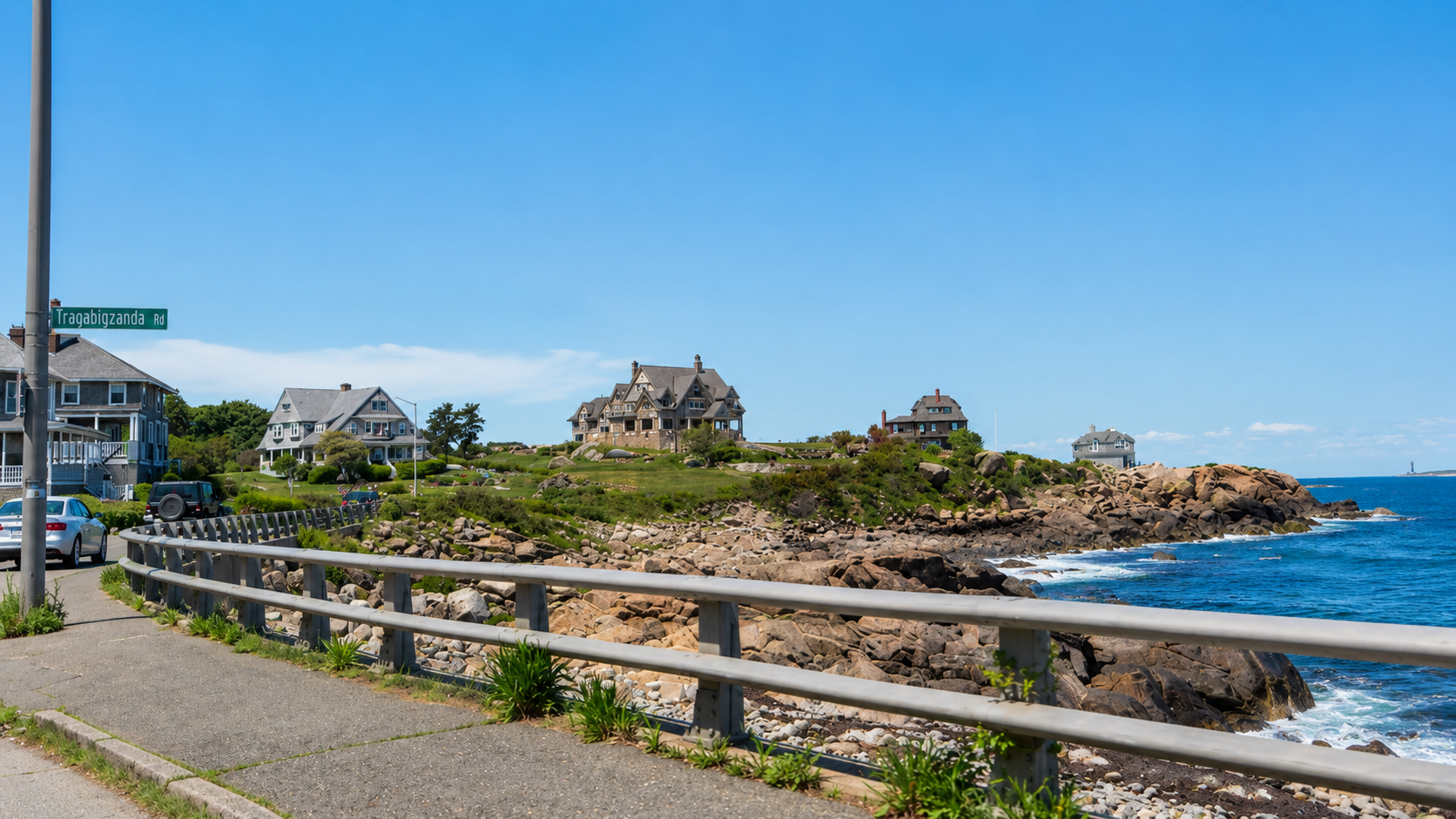
You can live in Gloucester for years and still find parts of the city that feel like an entirely different town. One morning you watch fishing boats work the harbor downtown, an hour later you are on an art-colony lane in East Gloucester, and by afternoon you are in a quiet village that resembles neither one. Choosing Gloucester is only half the decision. Choosing where in Gloucester you live may matter even more, especially if you are downsizing and hoping to stay on Cape Ann. This guide walks through the city's neighborhoods honestly, so you can match the place to the way you actually want to live.
Key Takeaways
Gloucester's neighborhoods are genuinely different: a working waterfront downtown, an established art colony in East Gloucester, and quiet villages in Magnolia and Annisquam.
Gloucester's beaches each offer a different experience, and resident parking and beach sticker rules vary by location, so the details matter as much as the water.
Downsizers can often stay on Cape Ann, but a smaller home does not automatically mean less maintenance, especially in older coastal houses.
Gloucester has commuter rail service connecting Cape Ann toward Boston, but convenience depends on where you live and the service at your station.
Gloucester is different from many North Shore communities in a way that is easy to miss on a first visit. It is a working seaport. Fishing boats, commercial docks, marine businesses, and generations of maritime tradition are still part of the city's identity. The harbor is not only a pretty backdrop for waterfront restaurants. It is a place where people work.
Founded as a colonial settlement in 1623, Gloucester grew into one of America's most significant fishing ports. That history is still visible in the harbor, the architecture, and the Gloucester Fisherman's Memorial that overlooks Stacy Boulevard.
Gloucester also became a destination for artists, summer visitors, and people looking for a different pace along the Atlantic. Those influences help explain why the neighborhoods feel so distinct. For the wider picture of the city, start with our Gloucester community guide, and for the practical side of daily life, my Ask Kathleen answer on living in Gloucester covers the ground well.
The appeal of downtown Gloucester is easy to describe. You can leave your home, stop for coffee, browse a local shop, enjoy lunch, and walk toward the harbor without making an entire day of it.
Main Street holds restaurants, shops, galleries, and local businesses, and the working waterfront right beside it gives the area an identity no conventional shopping district has. Depending on where you are, you may see commercial fishing vessels, marine equipment, and the daily activity that supports a working port.
Housing here includes older homes, multifamily buildings, apartments, and condominiums. For someone considering downsizing, living close in proximity to restaurants, cultural activities, and everyday services is genuinely appealing.
The honest side: parking arrangements vary. Older buildings may have stairs, limited storage, or accessibility challenges. Some streets are busier than others, particularly during the visitor season. Downtown Gloucester offers convenience and activity, but choosing the right property requires looking beyond the photographs.
East Gloucester has a personality all its own. Its winding streets, coastal views, historic homes, and artistic heritage have attracted residents and visitors for generations.
One of its best-known places is Rocky Neck, an established art colony where artists have worked for more than a century. Studios and galleries keep that creative tradition alive, and the scenery around it shifts between sheltered harbor views, rocky coastline, and quiet residential streets. East Gloucester also puts you near some of the area's most recognizable coastal destinations, including Niles Beach and routes toward Eastern Point.
One thing is worth understanding before you look here. Living in East Gloucester does not automatically mean living within easy walking distance of a beach, gallery, or restaurant. Distances, roads, sidewalks, and parking vary considerably from street to street. And coastal homes can bring maintenance considerations that do not apply to every inland property.
For buyers who appreciate the arts, ocean scenery, and established residential neighborhoods, East Gloucester rewards a careful look at the specific street, not just the neighborhood name.
Something surprises people who visit Gloucester for the first time: Magnolia does not feel much like downtown Gloucester at all.
Located along the southern side of Cape Ann, Magnolia grew into a seaside summer destination during the nineteenth century. Its history includes hotels, summer cottages, and visitors drawn by the ocean and coastal scenery, and the village character remains today. Lexington Avenue provides a small commercial center, while surrounding residential streets lead toward wooded areas and the rocky shoreline.
Homes range from older cottages to substantial properties, with architecture reflecting different periods of the village's growth. If you prefer a quieter residential environment but want to stay in Gloucester, Magnolia deserves a place on your list.
Be realistic about the trade-off. A small village commercial center is not the same as a full range of grocery stores, medical services, and other conveniences nearby, so everyday errands may require driving. And as with any coastal neighborhood, the experience of living there year-round can differ considerably from visiting on a beautiful summer afternoon.
Annisquam is one of those places where the surroundings seem to encourage you to slow down.
The village sits along the Annisquam River, with narrow roads, historic homes, a distinctive village center, and a maritime character shaped by its waterfront setting. Its architecture and scenery carry a sense of continuity with earlier generations, and it is very much a residential community with its own traditions and its own relationship to the river.
For buyers, the appeal may be the village atmosphere, the waterfront surroundings, or the opportunity to live somewhere that feels removed from a busy downtown.
The trade-offs are worth considering. Some roads are narrow. Parking can be limited. Historic homes may require specialized maintenance. Waterfront access and any boating arrangements depend on the particular property. And a beautiful older home is not always the easiest home to maintain as you grow older. Annisquam can be a wonderful place to consider, but it rewards careful attention to the details of each individual property.
Not everyone moving to Gloucester wants to live close to the harbor. West Gloucester shows another side of the city.
Here the landscape includes wooded areas, conservation land, residential roads, and access to the Annisquam River and Ipswich Bay. Wingaersheek Beach is one of the area's most recognizable attractions, known for its sand, its shallow water at certain tides, and its distinctive rock formations.
The pace feels different from the activity of downtown. Some properties offer more privacy and outdoor space, while others sit in established residential neighborhoods. For someone leaving a more densely developed area, that can be exactly what you are looking for.
Privacy and open space can come with responsibility. A larger lot may require more upkeep. Everyday errands may involve more driving. Some properties have private wells, septic systems, or other features that buyers should investigate individually. If you are downsizing specifically to reduce maintenance, a smaller house on a large lot may not accomplish what you hoped.
This comparison focuses on Gloucester's major areas, but Lanesville deserves its own mention.
Located in the northern part of the city, Lanesville has a history connected to granite quarrying, fishing, and the tight-knit communities that grew up along Cape Ann's rocky coastline. Its residential character, coastal surroundings, and history make it another area worth exploring.
Lanesville is also a reminder that Gloucester cannot be understood by looking at only a handful of well-known neighborhoods.
Gloucester is fortunate to have beaches that offer remarkably different experiences.
Good Harbor Beach is known for its broad sandy shoreline and views toward Salt Island. Wingaersheek Beach offers a different coastal setting along Ipswich Bay and the Annisquam River. Half Moon Beach, tucked into Stage Fort Park, has a smaller, sheltered setting. Niles Beach in East Gloucester and Plum Cove Beach in the northern part of the city each add their own character.
If you love spending time near the ocean, these choices are a large part of Gloucester's appeal.
One important distinction: beach access and beach parking are not the same thing. Resident parking privileges, seasonal restrictions, and parking arrangements vary by location. Before you buy a home because of its proximity to a particular beach, it is worth understanding the rules that apply to that spot. Living near the ocean can be wonderful, but the details matter.
Gloucester has enough fascinating history to fill an entire library. Its fishing industry shaped generations of lives, businesses, and traditions. Its granite quarries supplied stone for major construction projects. Its artists captured the coastline in paintings that became known far beyond Cape Ann.
And then there are the stories that seem almost unbelievable. In 1817, reports of a mysterious sea serpent in Gloucester Harbor drew widespread attention. Witnesses described an enormous creature moving through the water, and the sightings became the subject of serious discussion and investigation.
In Dogtown, the remains of an abandoned settlement survive among wooded trails and enormous boulders, some of them bearing carved messages.
These are not simply interesting stories for visitors. They are part of the character of Gloucester, and reminders that the places we pass every day often carry extraordinary histories.
This may be one of the most important questions for longtime Gloucester homeowners. Suppose you have lived in a larger home for decades. You love the city, your familiar surroundings, and being close to the water. But the stairs are becoming less appealing, the yard requires more work than you want to do, and maintaining rooms you rarely use no longer makes sense.
Do you have to leave Gloucester to simplify your life? Not necessarily. Depending on your needs, you might explore a condominium closer to downtown, a smaller residential home, or a property with a more manageable layout.
But downsizing is not simply about reducing square footage. A small historic cottage may require substantial maintenance. A condominium may reduce exterior responsibilities but introduces association fees, rules, and the possibility of special assessments. And a beautiful waterfront home may demand more upkeep than a similar-sized inland property.
Before you decide, consider what you truly want to change. Is it the stairs, the yard, the cost of maintenance, the distance to shopping and medical appointments, or simply the feeling that your house no longer fits the way you live? The answers help determine not only what type of home makes sense, but which Gloucester neighborhood deserves your attention. My step-by-step downsizing guide walks through the process, and this piece on right-sizing by the sea covers the trade-offs directly.
Gloucester's beauty is undeniable, but choosing a home here requires more than falling in love with an ocean view.
Think about how you will use the property throughout the year. A home near the water may have additional exposure to wind, salt air, or flooding, depending on its exact location. An older property may have maintenance needs that are not obvious during a showing. A neighborhood that feels quiet on a winter weekday may experience a different level of activity during summer.
Parking arrangements, for the home and for any beach you plan to use
Coastal exposure: wind, salt air, and flood considerations at the exact address
Maintenance realities of older and waterfront homes
Commuter rail access and how the service actually runs from your neighborhood
How often you expect to drive for everyday errands and services
Gloucester has commuter rail service connecting Cape Ann with communities toward Boston, but convenience depends on where you live and the service available at your station.
The best way to understand a neighborhood is to spend time there, not only at a showing but when people are going about their normal routines. A downtown street on a summer Saturday is not the same street on a Tuesday morning, and a quiet road at noon can be a different place at rush hour.
That is the question I would encourage you to ask before you begin your home search.
If you enjoy restaurants, cultural activities, and being close to the working waterfront, downtown Gloucester may appeal to you. If you are drawn to art, coastal scenery, and established residential streets, explore East Gloucester. If you prefer a small village atmosphere, consider Magnolia or Annisquam. If privacy, open space, and a quieter residential setting are priorities, take a closer look at West Gloucester. And do not overlook Lanesville and the other distinctive corners of Cape Ann.
There is no single Gloucester lifestyle. The beauty of Gloucester is that you can find several different ways to live here without leaving the city. The important thing is finding the one that fits your life, not simply the house that looks most appealing in a photograph.
If you are thinking about moving to Gloucester, changing neighborhoods, or downsizing while remaining on Cape Ann, I would be glad to help you explore the possibilities. I am Kathleen Militello, Realtor® with eXp Realty. Call me at (978) 500-1480 or book a conversation, and we will look at your options together. Warmly, Kathleen
Ask Kathleen
Straight answers to the four questions buyers and downsizers ask most about Gloucester, drawn from this article.
If you enjoy restaurants, cultural activities, and being close to the working waterfront, downtown Gloucester may suit you. If you are drawn to art, coastal scenery, and established residential streets, explore East Gloucester. If you prefer a small village atmosphere, consider Magnolia or Annisquam. If privacy, open space, and a quieter residential setting are priorities, look closely at West Gloucester, and do not overlook Lanesville and the other corners of Cape Ann.
Yes, in many cases. Depending on your needs you might explore a condominium closer to downtown, a smaller residential home, or a property with a more manageable layout. The honest caveat is that a smaller home does not automatically mean less maintenance, especially in older coastal houses, and a condominium brings association fees and rules. Match the home type to what you actually want to change, from stairs and yards to the distance to shopping and medical appointments.
Each beach has a different character: Good Harbor offers a broad sandy shore and views toward Salt Island, Wingaersheek offers sand and shallow water at certain tides with distinctive rock formations, Half Moon Beach is sheltered within Stage Fort Park, and Niles Beach and Plum Cove Beach round out the options. Beach access and beach parking are not the same thing. Resident parking privileges, seasonal restrictions, and parking arrangements vary by location, so check the rules for the specific beach before you decide based on proximity to it.
Look beyond the ocean view. Consider coastal exposure, which varies by exact address, the maintenance that older and waterfront homes ask for, parking and road access, commuter rail service and how it actually runs from your neighborhood, and how often you will drive for everyday errands. Then spend time in the neighborhood at different times of day and in different seasons before you decide.
Independent sites worth a look for general market and school information.

Written by
Kathleen Militello, Realtor®
The Militello Team · AI Certified Agent™ · Certified Negotiation Specialist™ · eXp Realty
Keep your reading going
Whether you are buying, selling, or downsizing, the right first step is a real conversation about what you want out of a home and a town. I know Gloucester, and I will tell you what I really think.
Beach access, parking, and resident sticker rules can change from year to year, so always confirm current policies with the City of Gloucester before making decisions. This article is general guidance about neighborhoods and homeownership, not a substitute for checking the specific property and the rules that apply to it.
Related Posts
 Neighborhood Guides Gloucester vs Rockport, MA: Which Cape Ann Town Is Right for You?
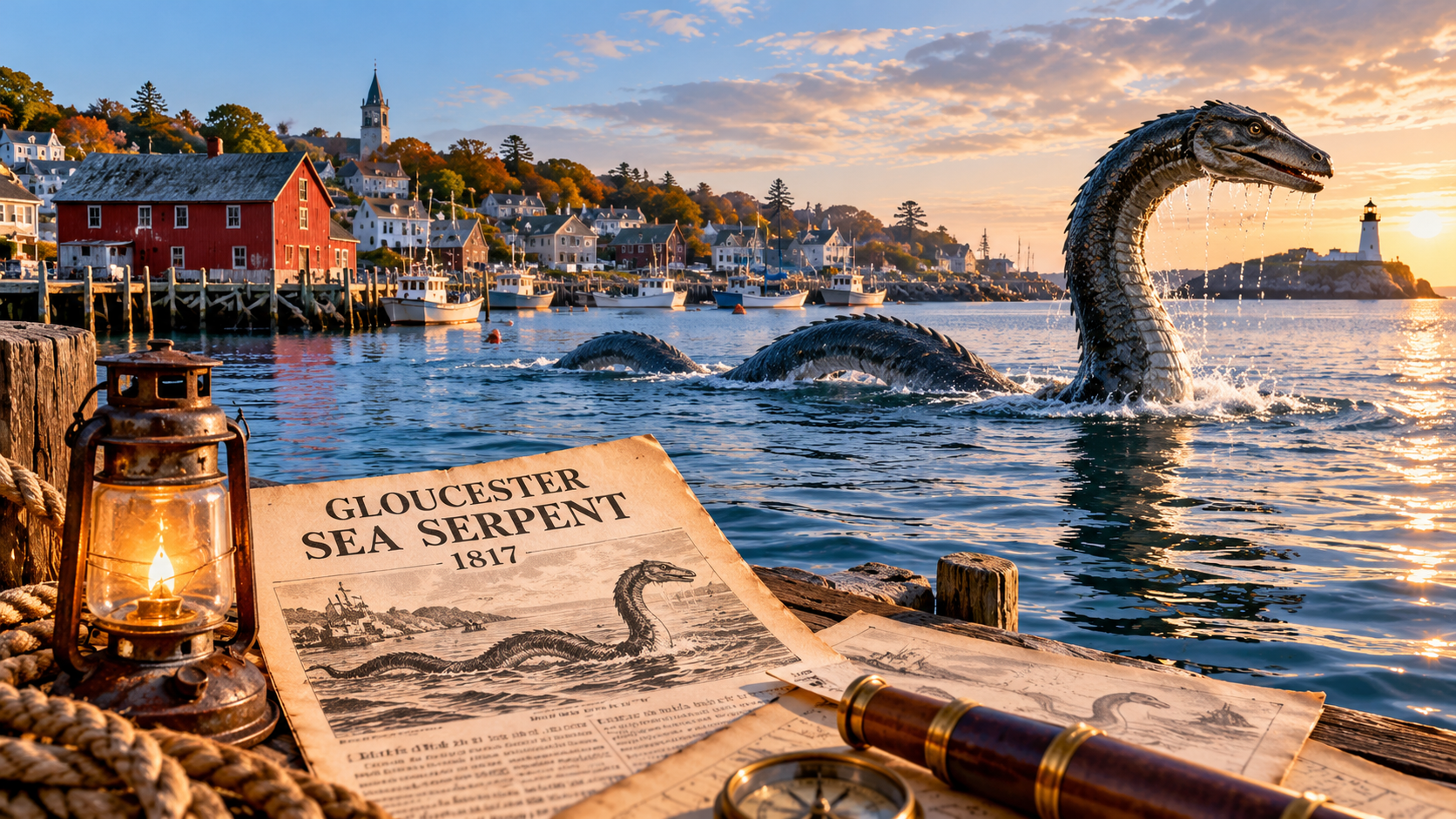 Local History The Gloucester Sea Serpent: Did a Monster Really Swim Through Gloucester Harbor in 1817?
 Things to Do North Shore Beaches: A Local's Guide to the Best Sand and Swimming
 Downsizing on the North Shore Downsizing on the North Shore: A Step-by-Step Guide to Your Next Chapter
From the page to the porch
A note can only tell you so much. Let Kathleen take you through the towns, the streets, and the options that actually fit.