Selling Your Home
Selling a Luxury Home on the North Shore: How the High End Is Different
Published September 29, 2026 · Updated September 2026 · 8 min read
Selling Your Home
Published September 29, 2026 · Updated September 2026 · 8 min read

A luxury home is not just a more expensive version of a regular listing. The whole approach changes: who the buyers are, how the home is priced, how it is marketed, how it shows, and how the negotiation unfolds. The buyer pool is smaller, the timeline is often longer, the price evidence is thinner, and the expectations are higher. Understanding those differences up front is what lets you sell with confidence instead of guessing.
Key Takeaways
A luxury home is not just a more expensive version of a regular listing: the buyer pool is smaller, the timeline is often longer, and the price evidence is thinner.
Pricing at the high end rests on a thin set of true comparables, and a mispriced luxury home is expensive to correct because the market notices a stale listing.
Marketing at this level is about targeted visibility, professional photography and video, strong presentation, and lifestyle messaging rather than mass exposure.
Offers come with more moving parts, and the right offer is not always the highest number: contingencies, timing, and terms matter.
Days on market tend to run longer at the top, so the seller benefits from an agent who knows the local high end and can wait for the right buyer.
A luxury home is not simply a more expensive version of a regular listing. At the top of the market, every part of the process changes: the buyers are fewer and more deliberate, the timeline tends to run longer, the price evidence gets thinner, and the expectations are higher. What works for a well-priced home in the middle of the market will not carry a high-end property.
That is not a warning. It is simply the nature of the market, and it is very manageable when you know it going in. The strategy for a luxury home is built around reaching the right buyers, pricing on real evidence, presenting the home at its best, and negotiating the whole picture, not just the number.
Luxury buyers are fewer, and they tend to be more deliberate. Many are relocating from Greater Boston or from out of state, and they move on their own schedule rather than the market's. A high-end listing may see fewer lookers than a home in a busier price range, but the right buyer can appear quickly and move seriously.
That changes the goal of marketing. It is not about maximizing the number of showings. It is about reaching the handful of households who could genuinely buy the home and giving them a clear reason to act. Patience is part of the strategy, and so is knowing who those buyers are before the home ever hits the market.
At the top of the market, comparable sales get sparse. There may be only a handful of true comps in a town, and each one has to be weighed carefully for condition, water, views, and character. A luxury price rests on a thin set of evidence, which is exactly why precision matters more here than anywhere else.
The cost of a mistake is higher too. A mispriced luxury home is expensive to correct, because the market notices a stale listing. Buyers and their agents watch days on market, and a home that sits quietly starts to raise questions. Recent listing data showed roughly 260 homes priced over $1 million on the market across the North Shore at the same time this year, from Swampscott and Marblehead up through Beverly, Newburyport, and Cape Ann. That is a wide, competitive field, and it makes precision pricing essential.
Mass exposure matters less at this level. Luxury buyers are not scrolling past every listing; they are following specific towns, specific neighborhoods, and specific types of property. Targeted visibility beats broad reach, which is why the marketing plan starts with who the buyer is, not how many people see the home.
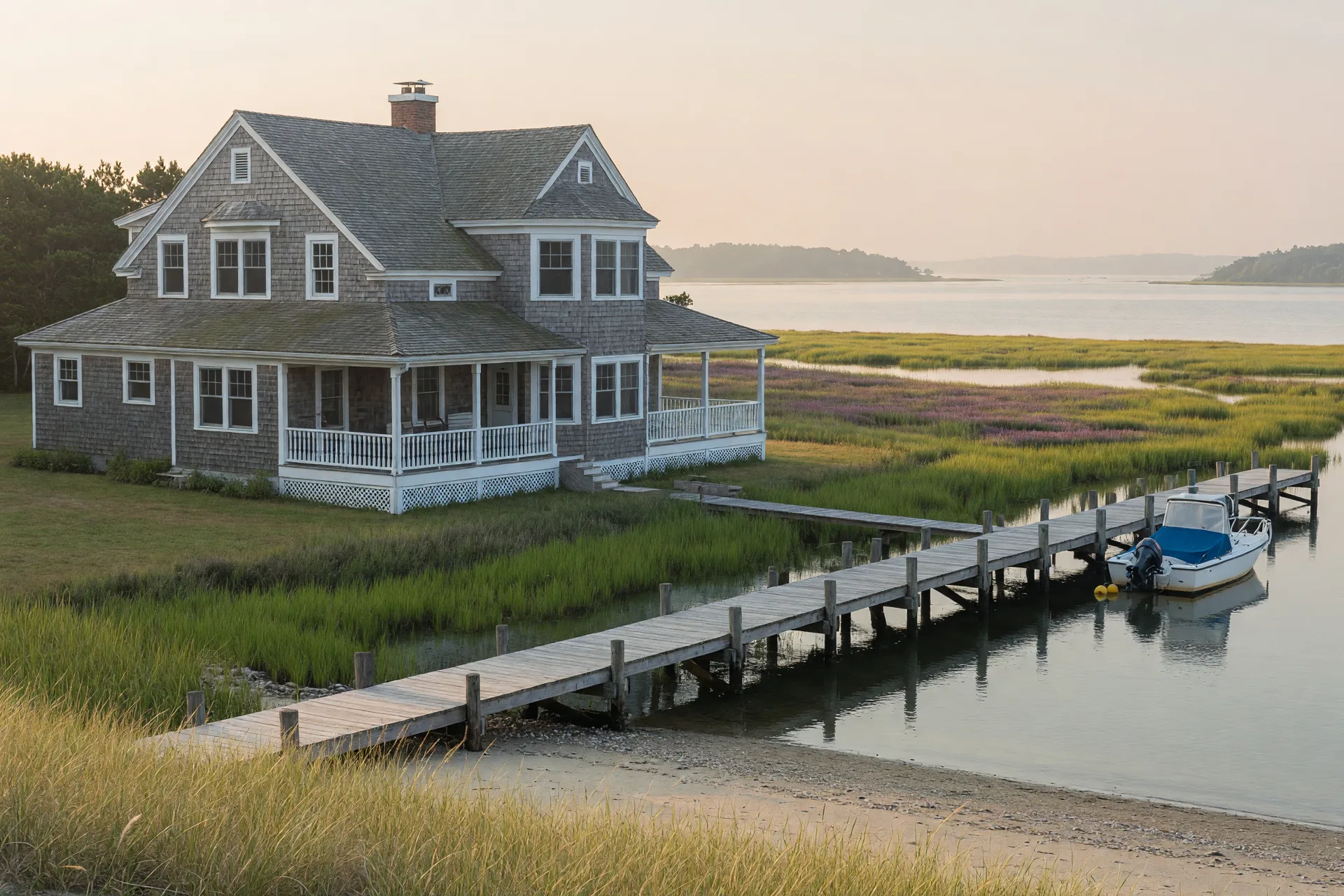
Professional photography and video carry real weight, along with strong presentation and lifestyle messaging: the water, the views, the walkability, the privacy, the character. Buyers at this level are choosing a way of life as much as a house. My guide to how agents market homes explains the mechanics behind the scenes.
For sellers who want privacy, off-market and pocket listings can play a role. A quiet introduction to the right buyers can work well for a household that does not want the home publicly listed, though it trades away the exposure of the open market. The right choice depends on the home and the seller's goals. Coastal luxury on the North Shore covers what buyers at this level are really paying for.
Buyers at this level expect the home to show at its best, and presentation is decided before the photography starts. Decluttering, finishing details, and a home that feels genuinely cared for all pull weight in the photos and at the first showing.
Virtual staging can be a practical tool for rooms that are empty or dated, letting buyers see the space furnished without the cost or time of physical staging. The goal is simple: every room should read clearly, and the home should look ready, not like a work in progress. Staging and photography is a question I get often, and the honest answer depends on the home.
Luxury buyers are detail-oriented. They notice the systems, the roof, the windows, the mechanicals, and the small things that suggest how a home has been cared for. A home that passes a skeptical eye shortens the road to closing.
A pre-listing inspection is a smart step at this level. It tells you what a buyer's inspector is likely to find, and it lets you address items calmly before the home is on the market instead of during negotiations. My guide to pre-listing home inspections walks through what to expect, and big-ticket repairs before selling helps you decide which items are worth fixing.
Offers at the high end come with more moving parts: contingencies, timing, financing details, and terms beyond price. The right offer is not always the highest number, and sellers benefit from weighing the whole picture before choosing.
A slightly lower offer with a clean inspection, a flexible closing, or a buyer who is clearly ready to move can be worth more than a higher number with conditions attached. How multiple offers work and how to choose an offer cover the factors I weigh with sellers when offers come in.
The North Shore draws luxury buyers for specific reasons, and they vary by town. Marblehead and Manchester-by-the-Sea offer village waterfront and deep harbor character. Newburyport brings a walkable downtown and the Merrimack River. Cape Ann, through Gloucester and Rockport, offers scenery, light, and coastal character. Swampscott offers convenience and easy access to Boston.
Water views and waterfront are the strongest draw across the region, along with walkable downtowns, historic character, privacy, and commuter access. The right marketing speaks to the lifestyle a specific town offers rather than a generic coastal pitch. If you are weighing towns, the community pages for Marblehead, Manchester-by-the-Sea, Newburyport, Swampscott, Gloucester, and Rockport each cover what living there is like.
Days on market tend to run longer at the top of the market, and that is not a sign of failure. It is the nature of a smaller buyer pool. The seller benefits from an agent who knows the local high end, understands what the home is truly worth, and is willing to wait for the right buyer rather than chase the wrong one.
My approach is the one I have used for more than twenty years on the North Shore: listen first, tell you what I really think, and help you understand your options before you decide. Selling a luxury home is a different process, and experience matters.
If you are thinking about selling a high-end home on the North Shore, you do not have to figure it out alone. Ask Kathleen: I can walk you through how your property compares to recent sales, how to position it, and what the right marketing looks like. Book a conversation or call (978) 500-1480, and we will look at your home and your situation together. If you are curious what your home could sell for today, my home value review gives you a real number with no pressure to list, and every way to sell, compared on one page, is there when you are weighing your options.
Ask Kathleen
Straight answers to the questions this season keeps bringing up, from the article above.
In some ways, yes. The buyer pool is smaller and more deliberate, the timeline is often longer, and the price evidence is thinner. But the right buyer can move quickly, and the process is very manageable with an agent who knows the local high end.
From the true comparables in the town, adjusted for condition, water, views, and character. At the high end, pricing is about positioning as much as evidence, but it still has to be grounded in what the market will support, because a mispriced luxury home is expensive to correct.
Typically longer than the middle of the market, because the buyer pool is smaller and buyers move on their own schedule. Days on market at the top is less a measure of failure and more a measure of patience; the goal is the right buyer, not the fastest one.
Presentation matters more at this level, because buyers expect the home to show at its best. Decluttering, finishing details, and making every room read clearly all pull weight, and virtual staging can help for rooms that are empty or dated.
On the North Shore, water and views are the strongest driver of value, and buyers at this level are often paying for the setting as much as the house. Whether a specific premium is justified depends on the town, the exposure, and the condition of the home, which a careful look at comparables answers.
Yes. Off-market and pocket listings can work well for sellers who want privacy, letting a quiet introduction reach the right buyers without a public listing. The trade-off is less exposure, so it works best when the buyer pool for the home is known and reachable.
The same questions and answers, un-styled and sequential, so they can be read and extracted easily.
Q: Is it harder to sell a luxury home?
A: In some ways, yes. The buyer pool is smaller and more deliberate, the timeline is often longer, and the price evidence is thinner. But the right buyer can move quickly, and the process is very manageable with an agent who knows the local high end.
Q: How should a luxury home be priced?
A: From the true comparables in the town, adjusted for condition, water, views, and character. At the high end, pricing is about positioning as much as evidence, but it still has to be grounded in what the market will support, because a mispriced luxury home is expensive to correct.
Q: How long does it take to sell a high-end home on the North Shore?
A: Typically longer than the middle of the market, because the buyer pool is smaller and buyers move on their own schedule. Days on market at the top is less a measure of failure and more a measure of patience; the goal is the right buyer, not the fastest one.
Q: Do I need to stage a luxury home?
A: Presentation matters more at this level, because buyers expect the home to show at its best. Decluttering, finishing details, and making every room read clearly all pull weight, and virtual staging can help for rooms that are empty or dated.
Q: Are waterfront views worth the price?
A: On the North Shore, water and views are the strongest driver of value, and buyers at this level are often paying for the setting as much as the house. Whether a specific premium is justified depends on the town, the exposure, and the condition of the home, which a careful look at comparables answers.
Q: Can I sell my luxury home privately or off-market?
A: Yes. Off-market and pocket listings can work well for sellers who want privacy, letting a quiet introduction reach the right buyers without a public listing. The trade-off is less exposure, so it works best when the buyer pool for the home is known and reachable.

Written by
Kathleen Militello, Realtor®
The Militello Team · AI Certified Agent™ · Certified Negotiation Specialist™ · eXp Realty
Related Posts
From the page to the porch
A note can only tell you so much. Let Kathleen take you through the towns, the streets, and the options that actually fit.