eXp Realty Kathleen Militello, Realtor® The Militello Team COASTAL HOMES & LIVING

Local insights · The Militello Team

North Shore History

North Shore history is all around us, from 1630s saltbox houses and harbor forts to sea-serpent legends and Gilded Age estates. These stories trace how this coast became what it is, and they are a good place to start before you choose where to live here.

Stories in North Shore History

23 stories

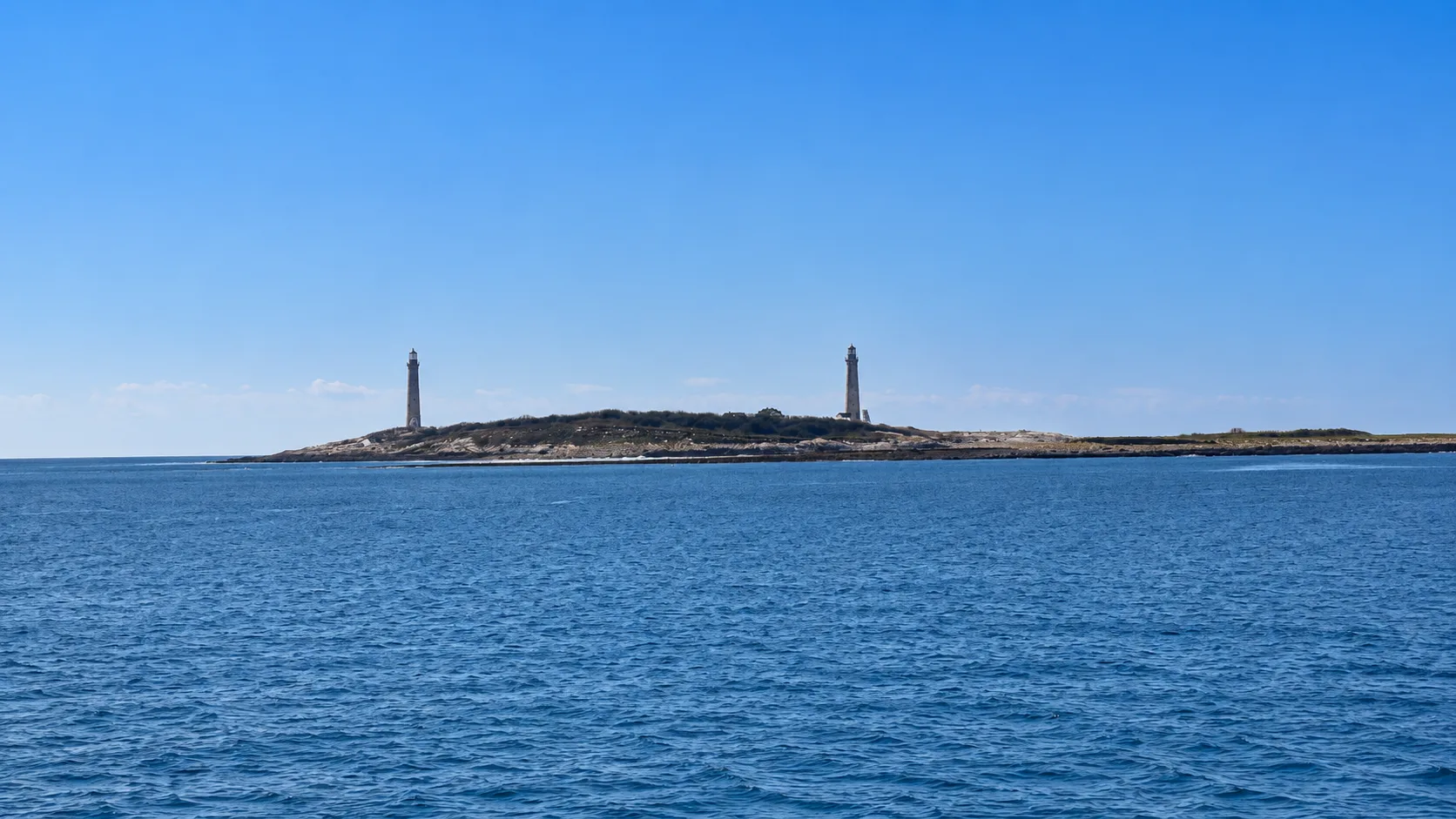
The twin granite lighthouses of Thacher Island rising from the Atlantic off Cape Ann

North Shore History · November 3, 2026 · 8 min read

The Twin Lights of Thacher Island: 250 Years of Unforgettable North Shore History

Of all the stories I love to tell about Boston's Coastal North Shore, the Twin Lights of Thacher Island may be my favorite. Two granite towers rising from the open Atlantic off Cape Ann, they have marked a dangerous stretch of coast since 1771 and still do today. Their story begins with a shipwreck, a survivor, and a name, and it has shaped the way generations of people in Rockport and Gloucester see the sea.

Read the note
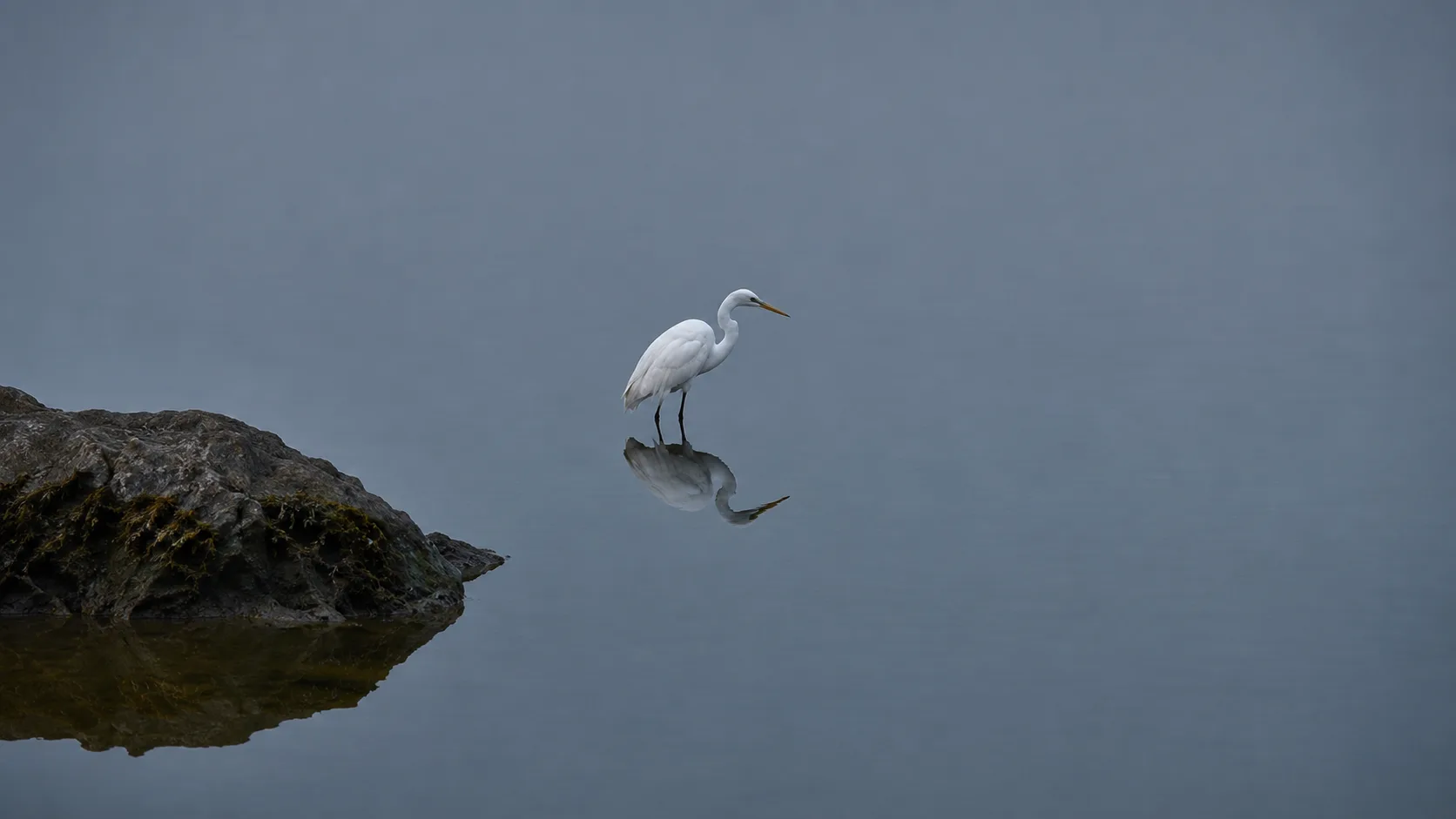
A white egret standing in calm marsh water under an overcast, moody sky, photographed on Boston's North Shore

North Shore History · October 29, 2026 · 8 min read

The Day the Sky Went Dark Over the North Shore in 1780: What Witnesses Experienced During New England's Famous Dark Day and What Historians and Scientists Believe Caused It

On May 19, 1780, the daytime sky over New England went dark, so dark that candles were needed from noon, and in many places the darkness did not fully lift until the middle of the next night. People across Massachusetts, including the North Shore towns I serve, lived through it. Here is what witnesses recorded that day, and what historians and scientists now believe caused New England's famous Dark Day.

Read the note
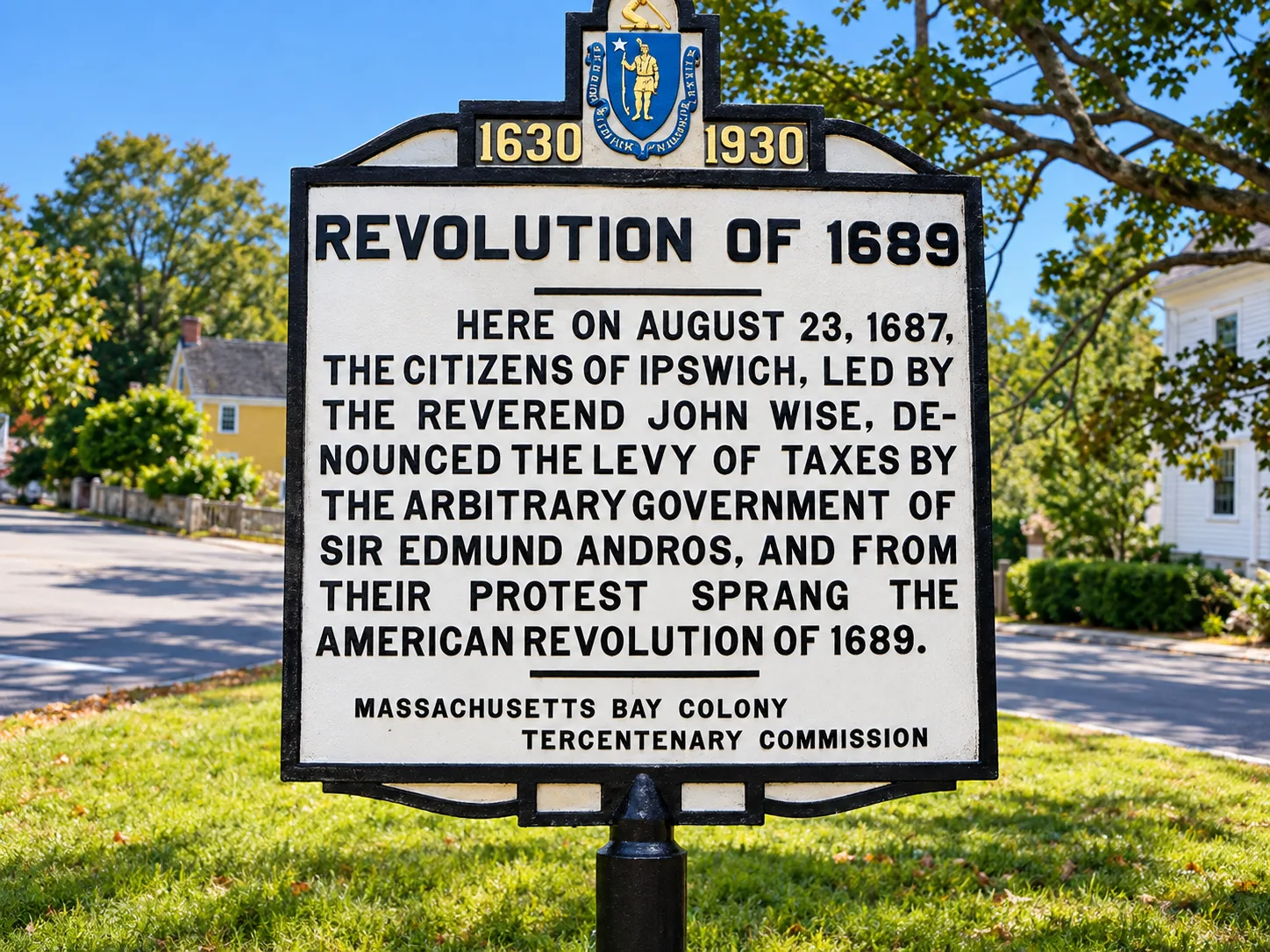
The 1930 Massachusetts Bay Colony Tercentenary Commission cast-iron historical marker in Ipswich, Massachusetts

North Shore History · October 29, 2026 · 7 min read

The 1930 Tercentenary Markers: A 1930s Time Capsule Cast in Iron

Cast-iron signs installed in 1930 still stand at crossroads across the North Shore, marking the moments that shaped this coast. These are the Massachusetts Bay Colony Tercentenary markers, a Depression-era public history project that put the state's past on the roadside, and the ones that survive now read like a time capsule cast in iron. Here is the story of who made them, who wrote them, and why local history still matters when you buy or sell a home on the North Shore.

Read the note
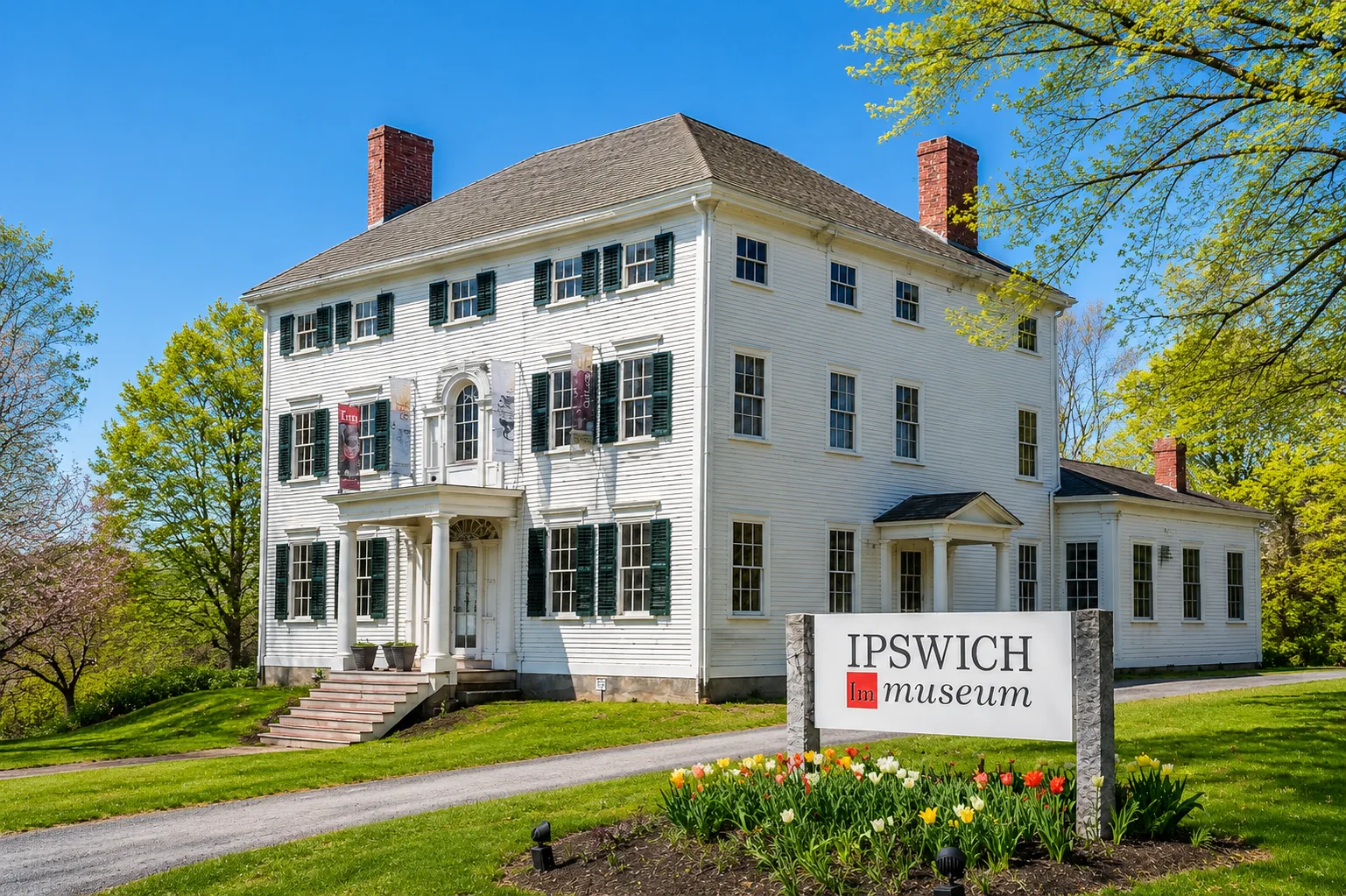
The Ipswich Museum, a three-story colonial-style building with white wood siding, dark shutters, and red brick chimneys, photographed by Kathleen Militello

North Shore History · October 26, 2026 · 8 min read

Did the American Revolution Really Begin in Ipswich? The Tax Revolt of 1687

Ipswich, Massachusetts, holds a surprising piece of local history: a roadside marker that connects this quiet coastal town to the very beginning of the American Revolution. The claim is real, and the story behind it is remarkable, but the honest answer to the question it raises is more interesting than a simple yes or no.

Read the note
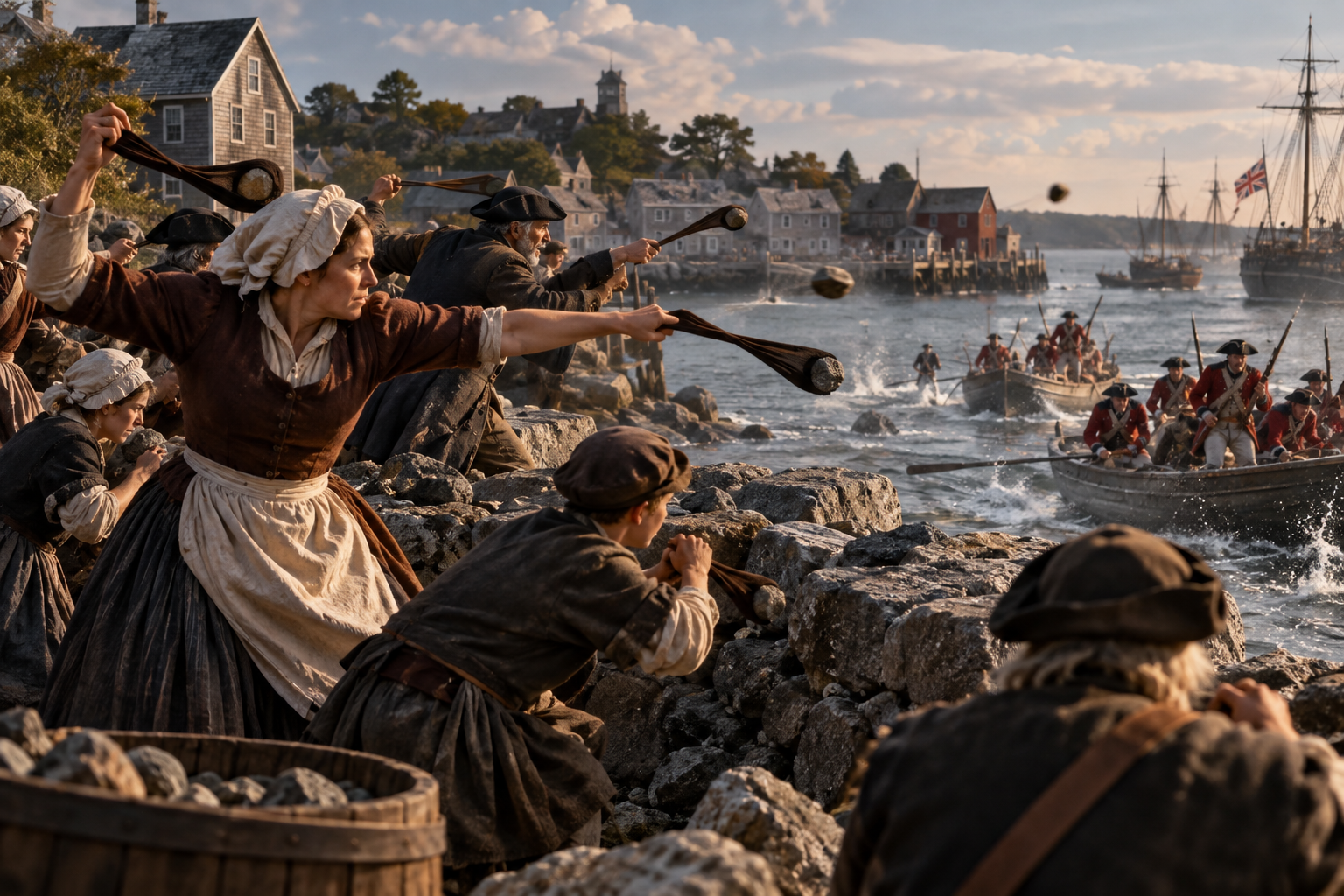
Illustration of Rockport residents defending the shore against British barges with stone slings, 1814

North Shore Hidden History · October 26, 2026 · 8 min read

The Day Rockport Fought the British With Rocks

On September 8, 1814, the British frigate Nymphe attacked Sandy Bay, the fishing village that would one day become Rockport. The fort on Bearskin Neck was captured, but the church bell kept ringing, and the story of how the village fought back is still told today.

Read the note
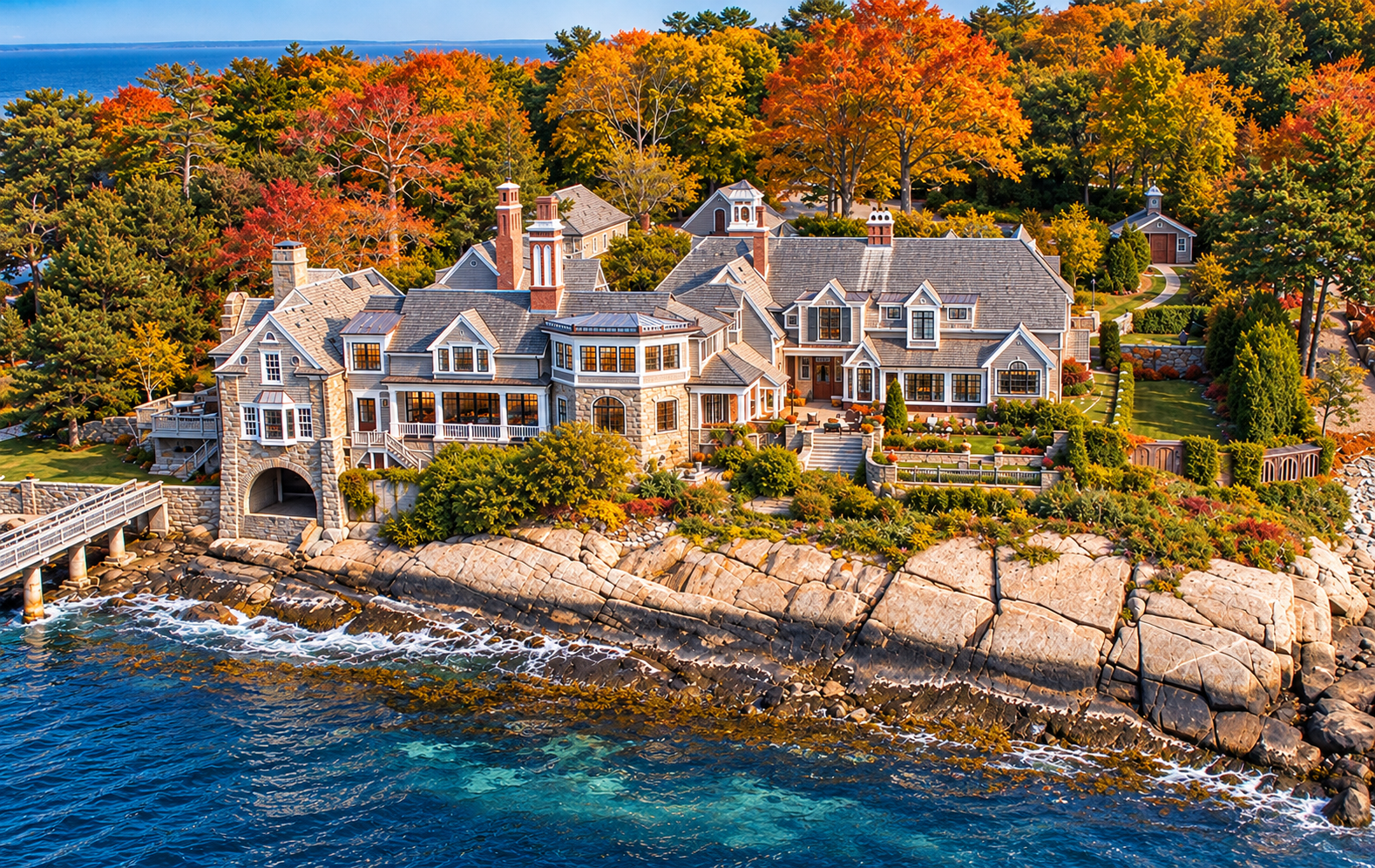
Beauport, the Sleeper-McCann House in Gloucester, photographed by Kathleen Militello

Local Community Guides · October 23, 2026 · 8 min read

The Grand Estates of the North Shore: How America's Wealthy Once Lived

Before there were summer colonies elsewhere, there was the North Shore. In the 1800s, wealthy Bostonians and buyers from Philadelphia, New York, Washington D.C. and even Chicago began buying farms along the Massachusetts coast and turning them into grand summer estates. By the 1890s the region was celebrated as a summer destination for the social set, and the shoreline from Beverly to Gloucester filled with gracious “cottages” on a very grand scale. Here is how America's wealthy once lived, and where you can still see it today.

Read the note
Illustration coming soon

North Shore History · October 21, 2026 · 14 min read

The Witch House and the Real History of Salem's Witch Trials: What Really Happened in 1692?

Every October, thousands of people walk past a dark, centuries-old house on Essex Street in Salem. It's called the Witch House, but the real history of the 1692 witch trials begins miles away, in what we now call Danvers. Kathleen tells the story of the people caught in the accusations, and the house that still survives.

Read the note
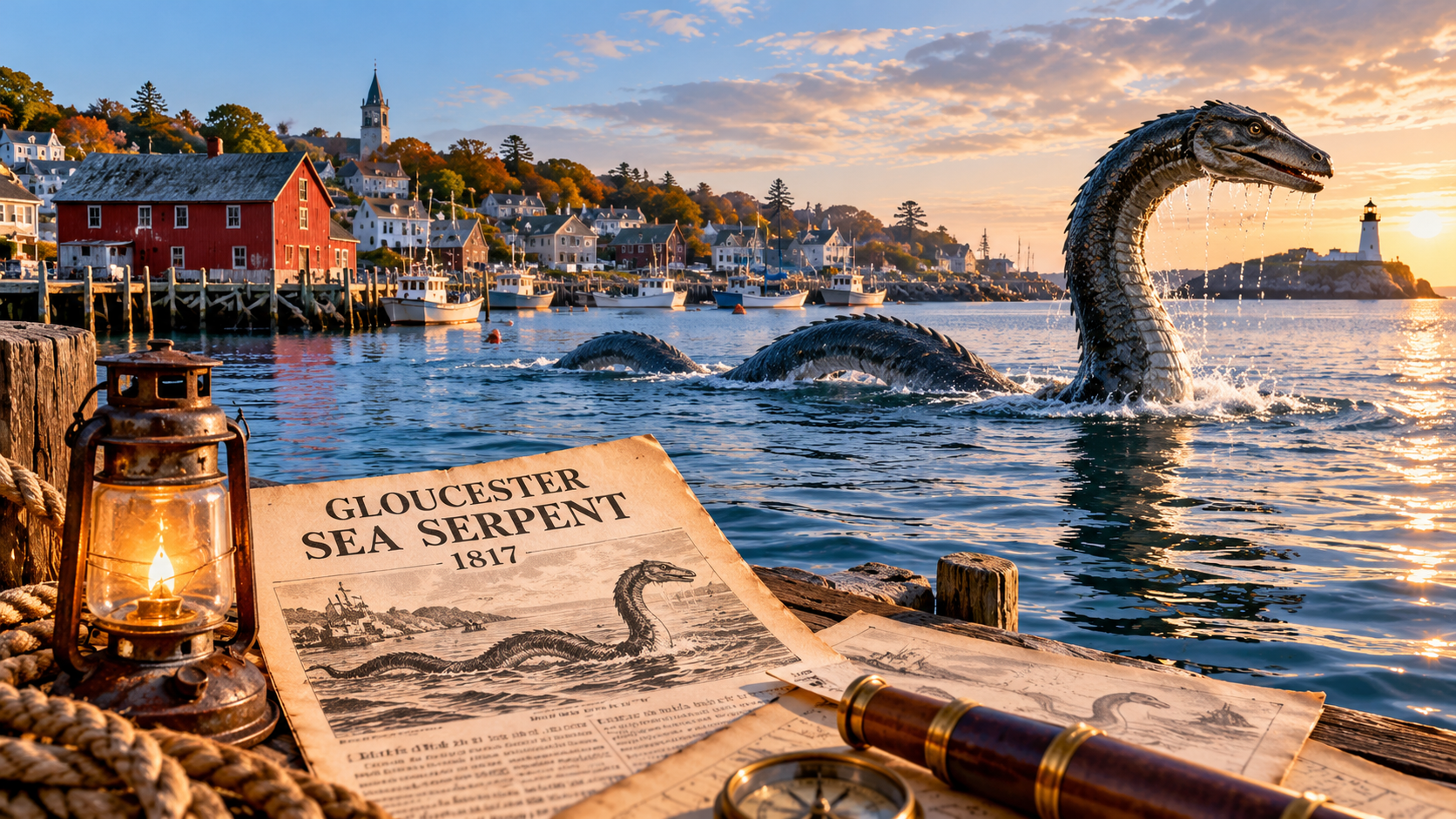
Gloucester Sea Serpent at Dawn artwork

Local History · October 18, 2026 · 9 min read

The Gloucester Sea Serpent: Did a Monster Really Swim Through Gloucester Harbor in 1817?

In August 1817, fishermen on Gloucester Harbor reported an enormous serpent moving through the water. The story swept the town, the newspapers of the day, and a Boston scientific society. More than two centuries later, the mystery of the Gloucester sea serpent still fascinates, and it remains one of the most scientifically discussed sea-serpent encounters in history.

Read the note
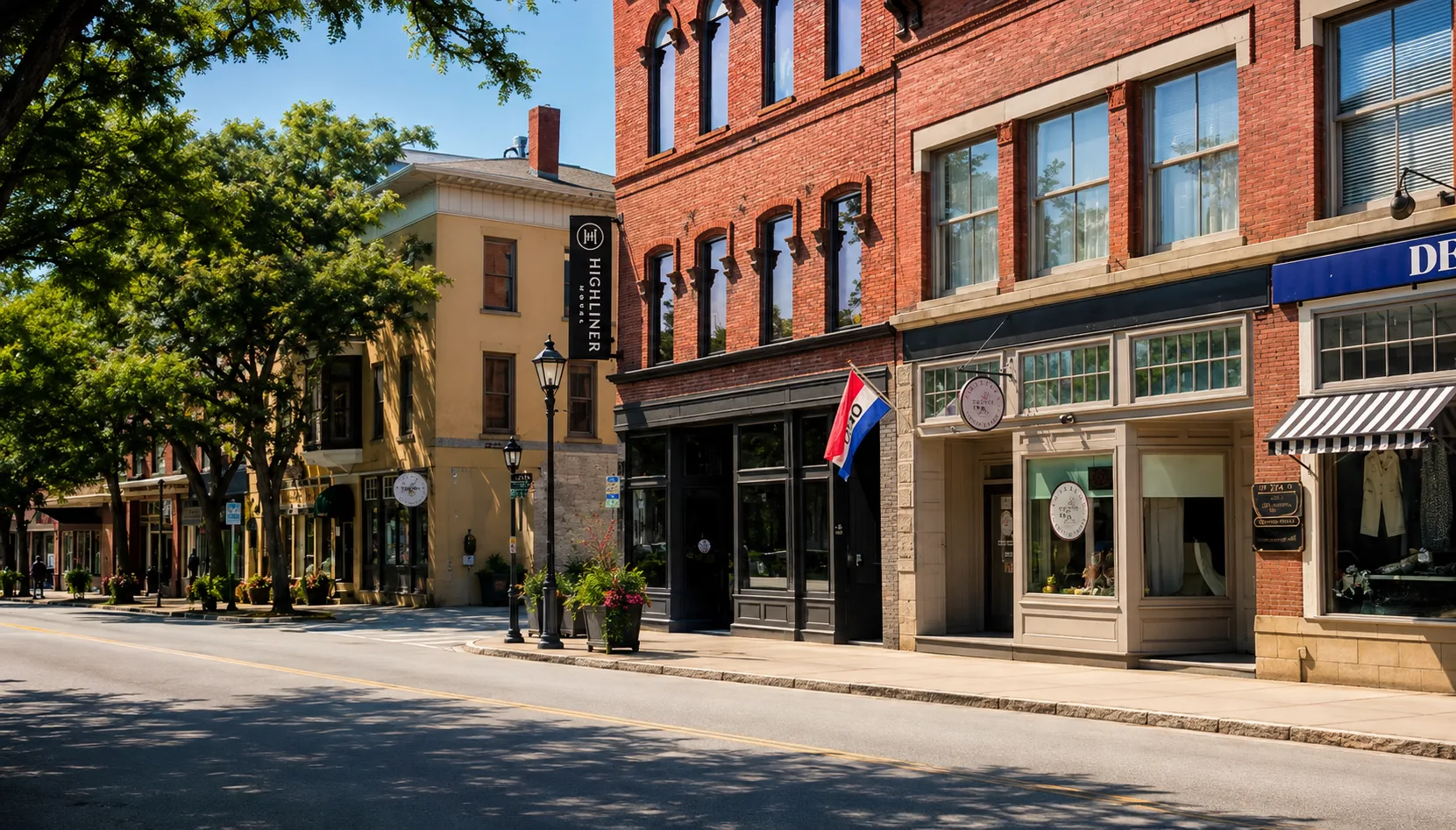
Historic brick storefronts on a downtown commercial street

North Shore History · October 16, 2026 · 8 min read

The Great Fires of Gloucester

In 1830 and again in 1864, fire swept through downtown Gloucester and destroyed hundreds of buildings. How the town fought those fires with bucket brigades and hand-pumped engines, rebuilt in brick and stone, and what the story means for older North Shore homes today.

Read the note
A quiet river view with lily pads and green banks, the waterway the people of Agawam stewarded for thousands of years

North Shore History · October 7, 2026 · 10 min read

The People of Agawam: The Indigenous History of Ipswich Before the English Arrived

Before the English arrived, the place we now call Ipswich was Agawam, the principal village of the Agawam band of the Pawtucket people. For thousands of years they farmed, fished, and stewarded the river and the Great Marsh. This is the story of those first people, of Sagamore Masconomet, and of the descendants who keep the memory alive today.

Read the note
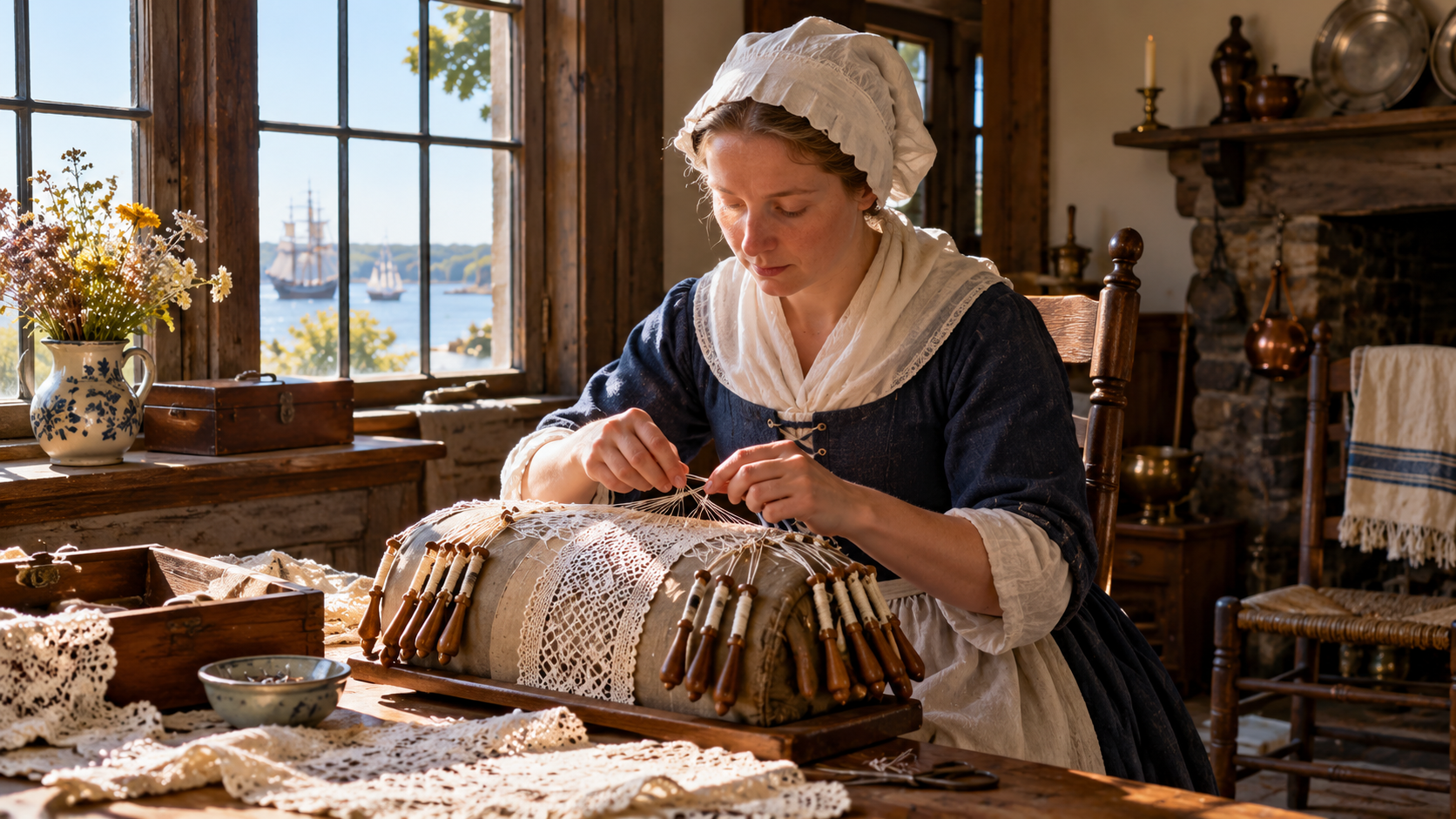
A sunlit colonial lace-making interior, with lace and bobbins set out by a window in warm daylight

North Shore History · October 5, 2026 · 8 min read

Ipswich Lace: The Colonial Craft That Put the Town on the Map

Ipswich lace is the only known American hand-made bobbin lace to have been commercially produced, and it was made right here on Boston's North Shore beginning in the 18th century. Women across town worked thread and bobbins in their own homes, and their lace was so valued that a single yard was worth a cord of wood or 16 pounds of sheep's wool. This is the story of the craft that helped carry Ipswich through the American Revolution, and of the plaque on High Street that still tells it.

Read the note
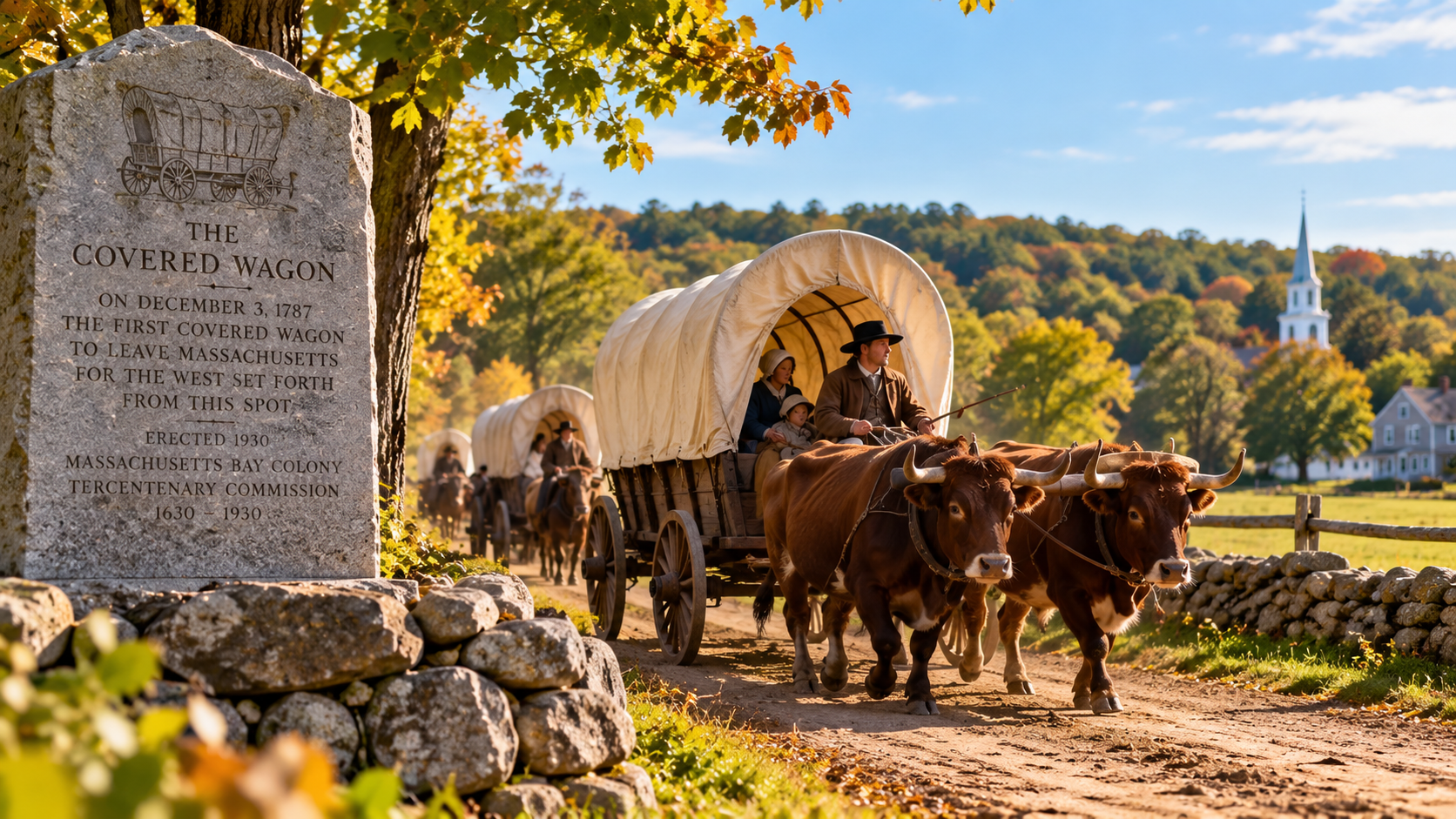
The Covered Wagon historical marker in Hamilton, MA, in the foreground, with covered wagons pulled by oxen along a dirt path, autumn trees, and a white church spire in the distance

North Shore History · October 4, 2026 · 7 min read

The Covered Wagon That Left Massachusetts: A North Shore Story

On December 3, 1787, the first covered wagon to leave Massachusetts for the west set forth from a spot in Hamilton, Essex County. The wagon train, organized by Manasseh Cutler, a minister from Ipswich, arrived the following spring in the Northwest Territory and helped found Marietta, Ohio. A marker erected in 1930 by the Massachusetts Bay Colony Tercentenary Commission stands there today, and it is a piece of our own region's history worth knowing.

Read the note
The white colonial facade of the Ipswich Museum, home of the North Shore's historic houses

North Shore History · October 2, 2026 · 4 min read

The History of Ipswich: America's Best-Preserved Puritan Town

Ipswich holds the largest collection of 17th-century First Period houses in America, more than any other town in the country. When you walk its streets you are walking through the earliest chapters of New England, and that history shapes the housing stock buyers see here today.

Read the note
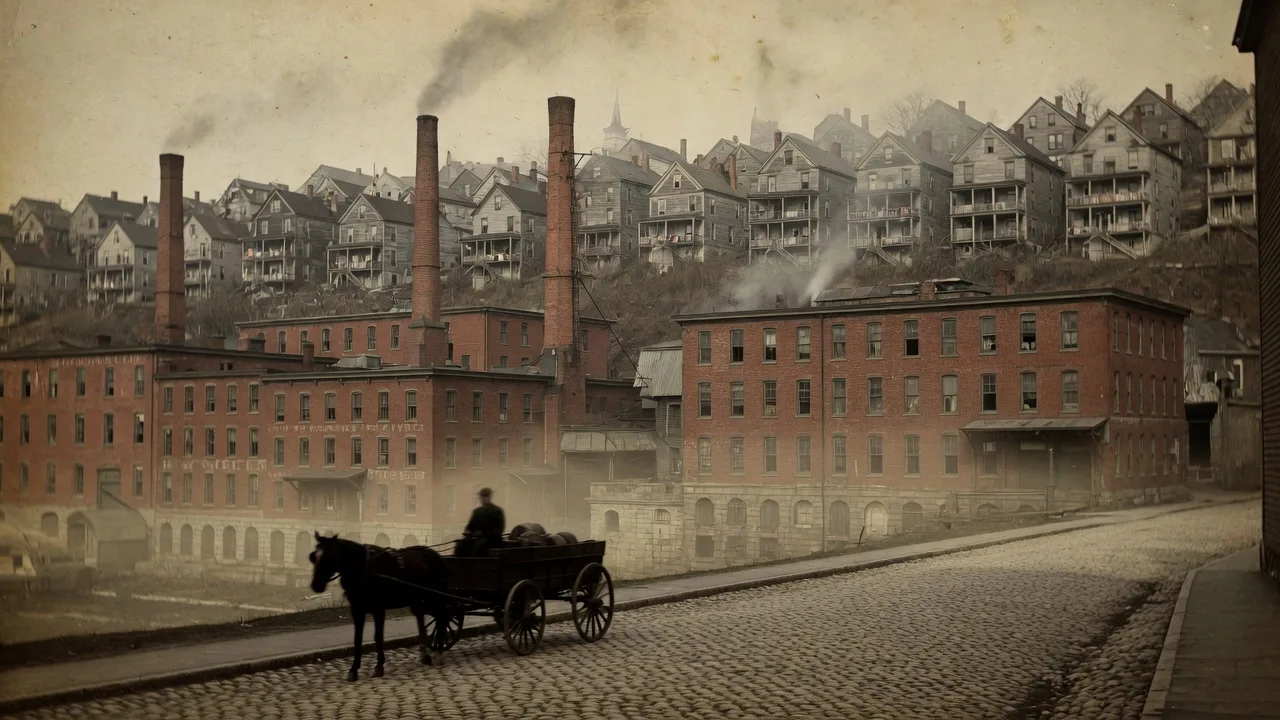
Sepia archival view of an early 20th century brick mill district with hillside houses and a cobblestone street

North Shore History · September 25, 2026 · 5 min read

The Great Salem Fire of 1914: The Day a Third of the City Burned

On June 25, 1914, an explosion in a leather factory set Salem on fire for the better part of a day, destroying 1,376 buildings across about a third of the city. Around 90% of Salem's historic buildings survived, and understanding that day explains a great deal about the housing you see in Salem today.

Read the note
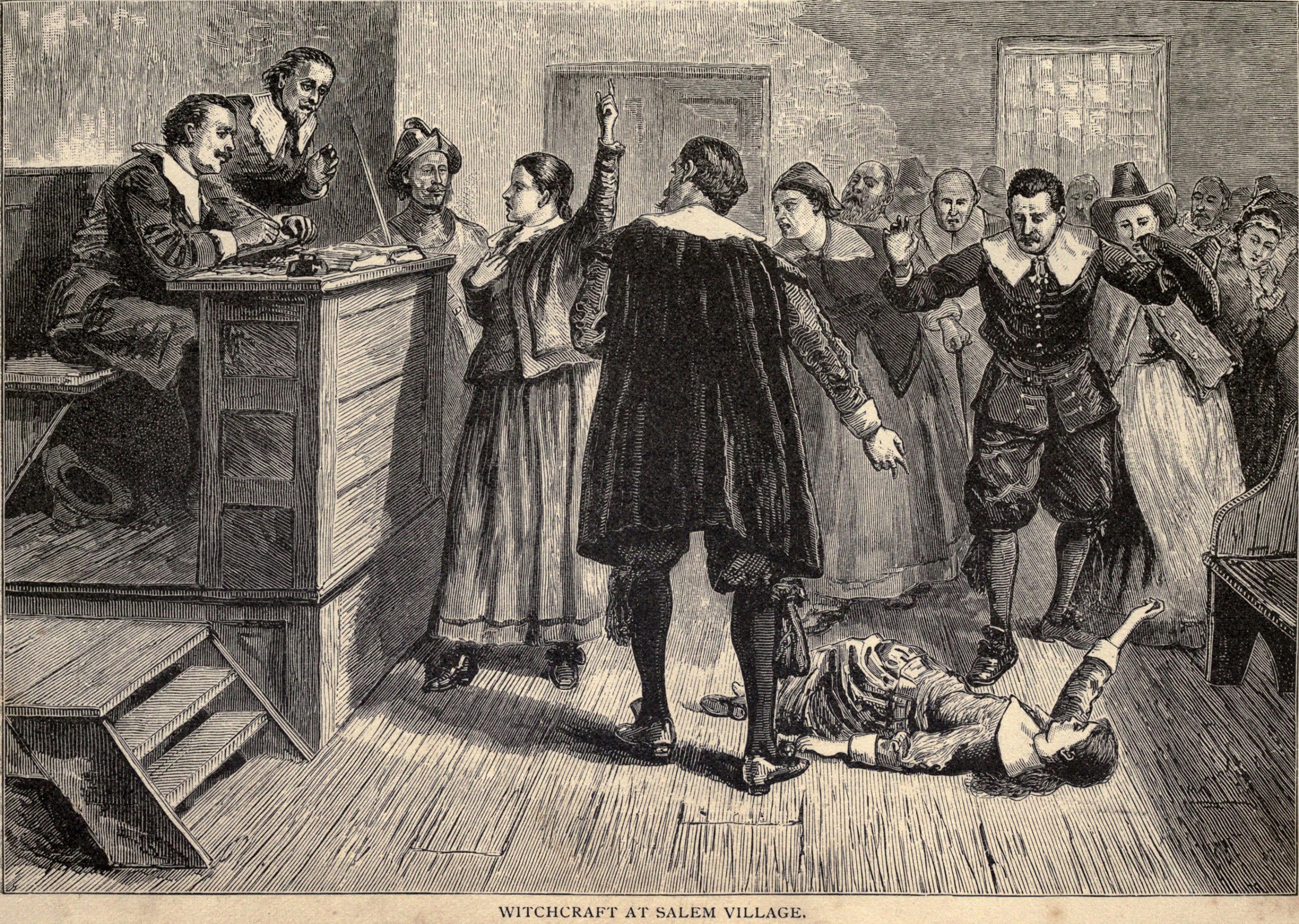
Historical engraving of the Salem Village witch trial scene from 1692

North Shore History · September 23, 2026 · 14 min read

The Salem Witch Trials: How 1692 Still Shapes the North Shore

No episode in North Shore history is better known than the Salem witch trials, and none carries more weight. The events of 1692 ended lives and reshaped the community, and the city that grew out of that village has spent centuries remembering, explaining, and reckoning with it. Walk Salem today and the story is everywhere.

Read the note
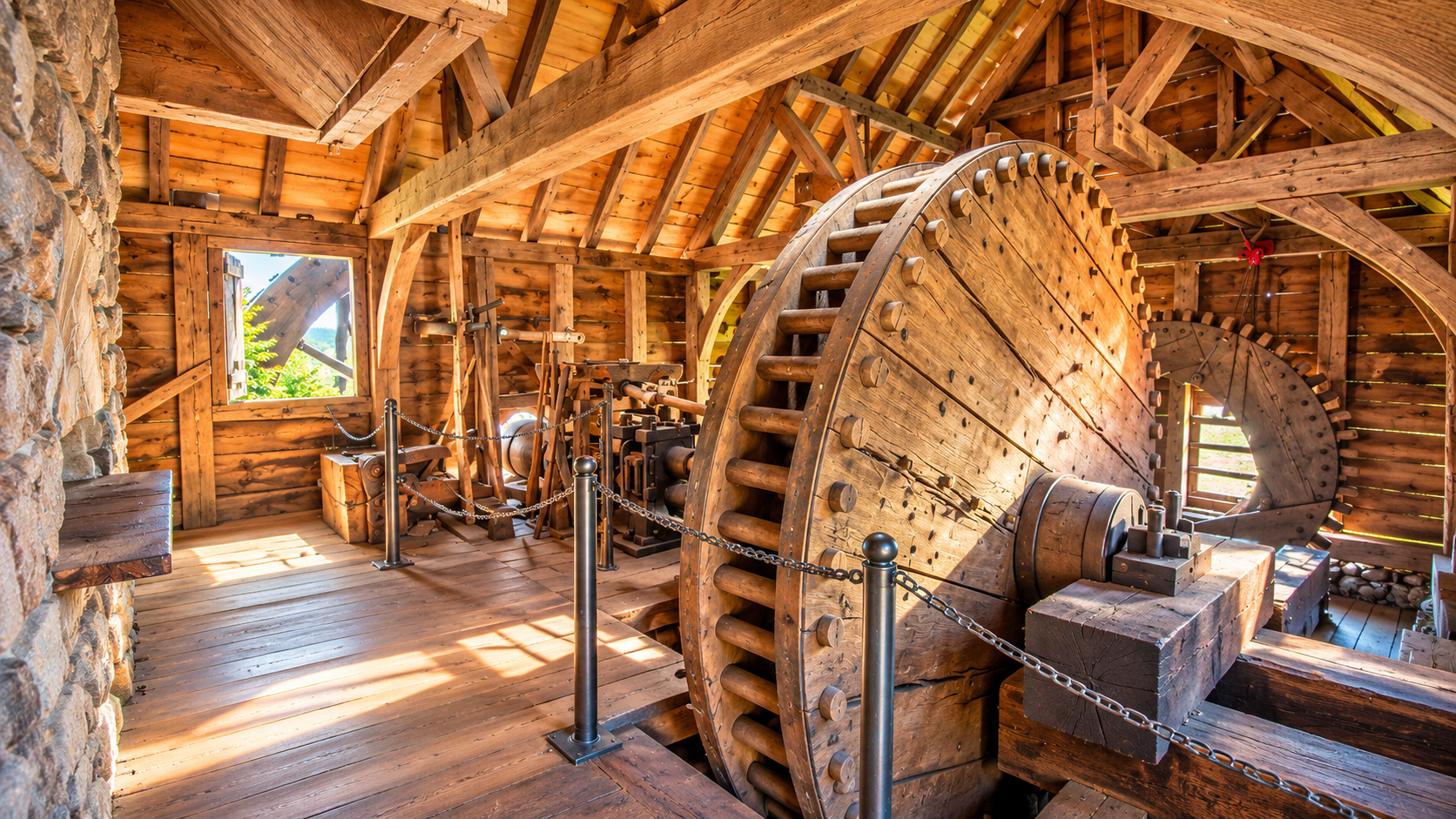
The reconstructed forge at the Saugus Iron Works National Historic Site in Saugus, Massachusetts

North Shore History · September 23, 2026 · 10 min read

Saugus River Iron Works: The Birthplace of the American Iron Industry

Most of the tools, nails, and hardware that built colonial New England began with iron, and colonial iron began in one place: on the banks of the Saugus River. In 1646, the first integrated ironworks in North America opened here, and the industry it started helped shape everything that came after.

Read the note
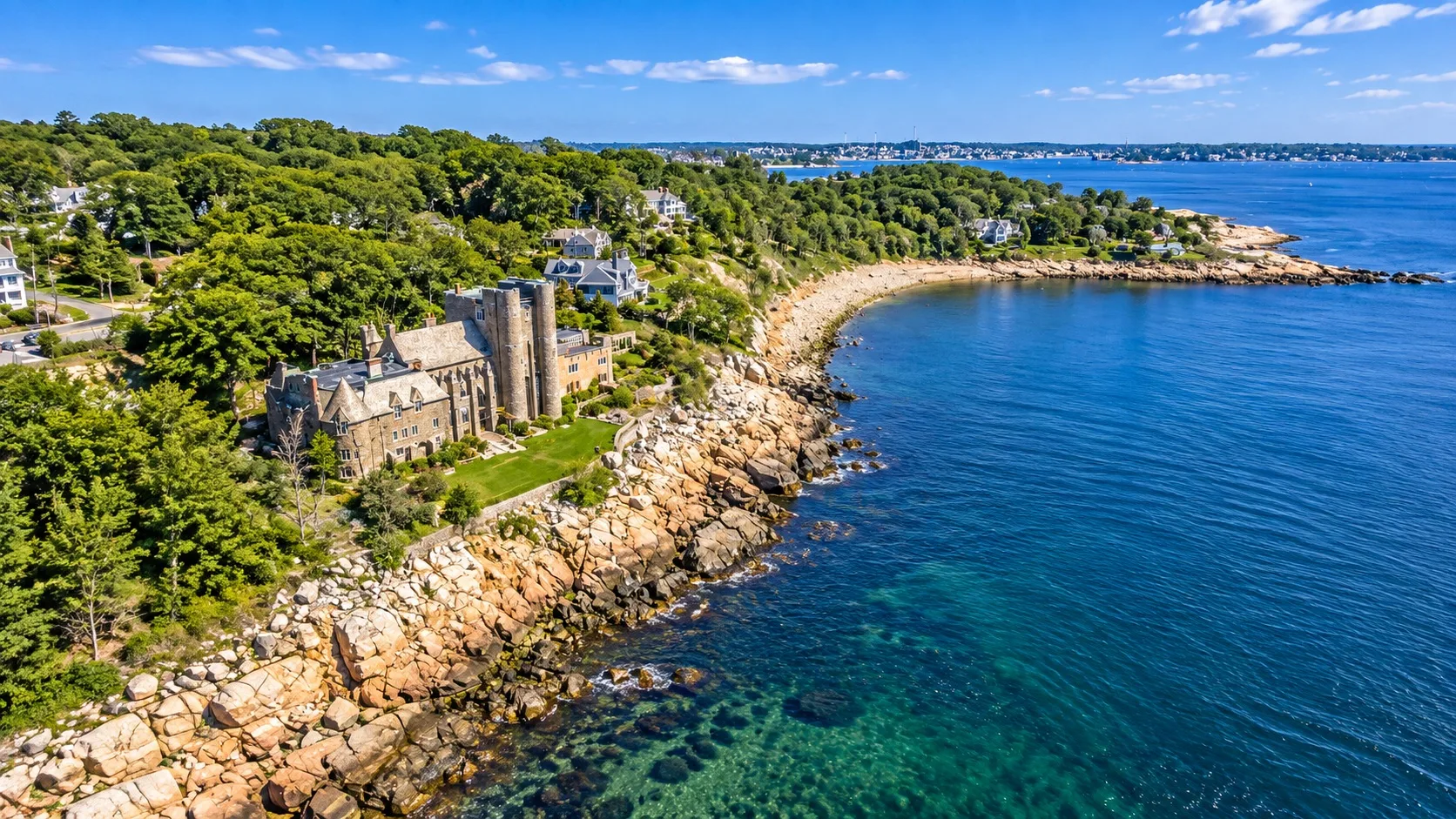
The medieval-style stone castle of Hammond Castle in Gloucester, Massachusetts

North Shore History · September 23, 2026 · 10 min read

Hammond Castle: The North Shore's Most Extraordinary Home and the Inventor Who Built It

Drive along the Gloucester shore and a stone castle appears above the water, complete with towers and battlements. It looks like something from another century and another continent, which is exactly the point. Hammond Castle was built as a home for the inventor John Hays Hammond Jr., and it remains one of the most unusual houses on the North Shore.

Read the note
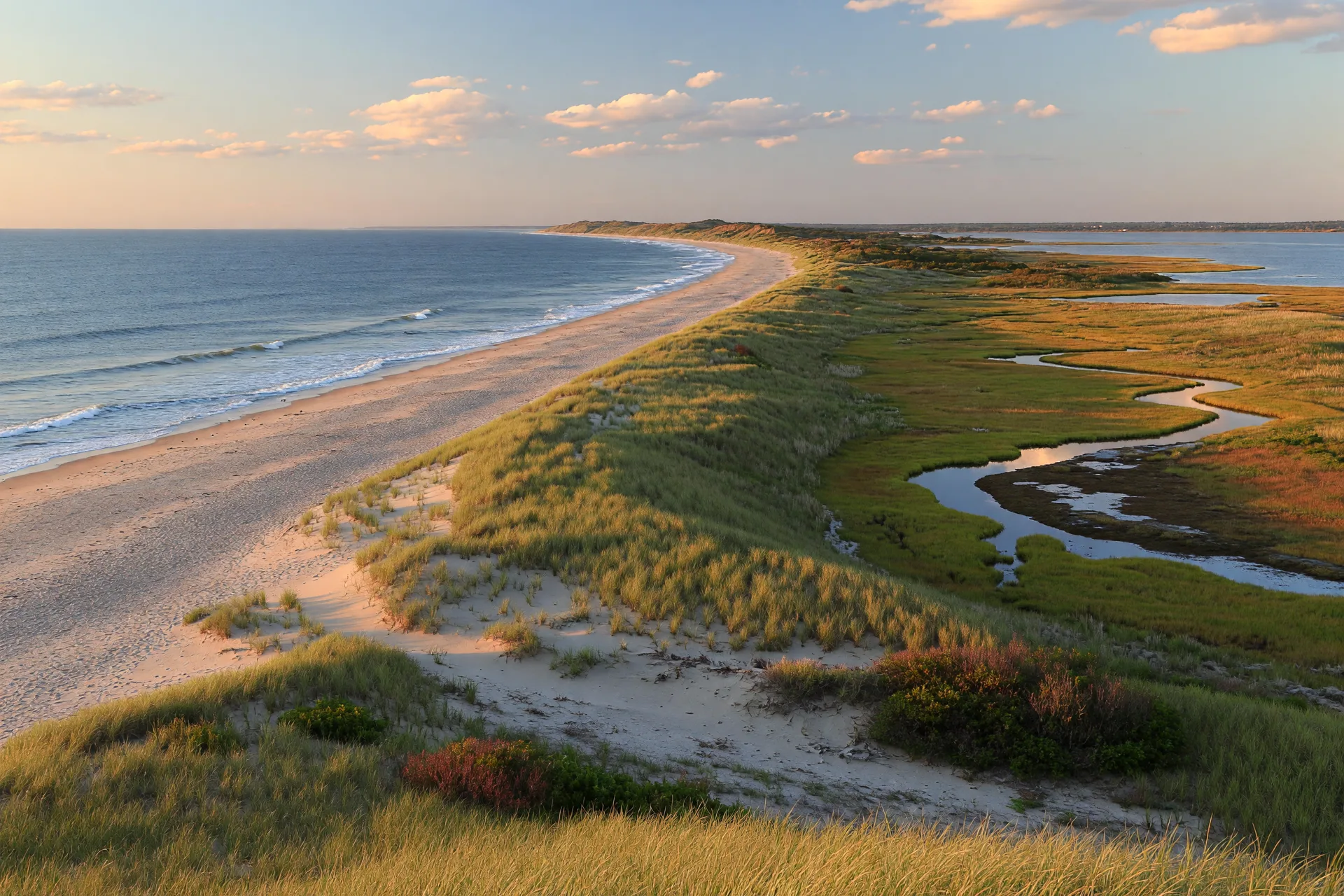
The long barrier beach and dunes of Plum Island on the North Shore coast

North Shore History · September 23, 2026 · 11 min read

Plum Island: The Barrier Beach That Shaped the North Shore Coast

From above, Plum Island looks like a thin ribbon of sand holding back the ocean. For eleven miles it runs along the coast, and behind it sit the towns, the marsh, and the river that make the North Shore what it is. This barrier beach has been quietly shaping the area for as long as people have lived here.

Read the note
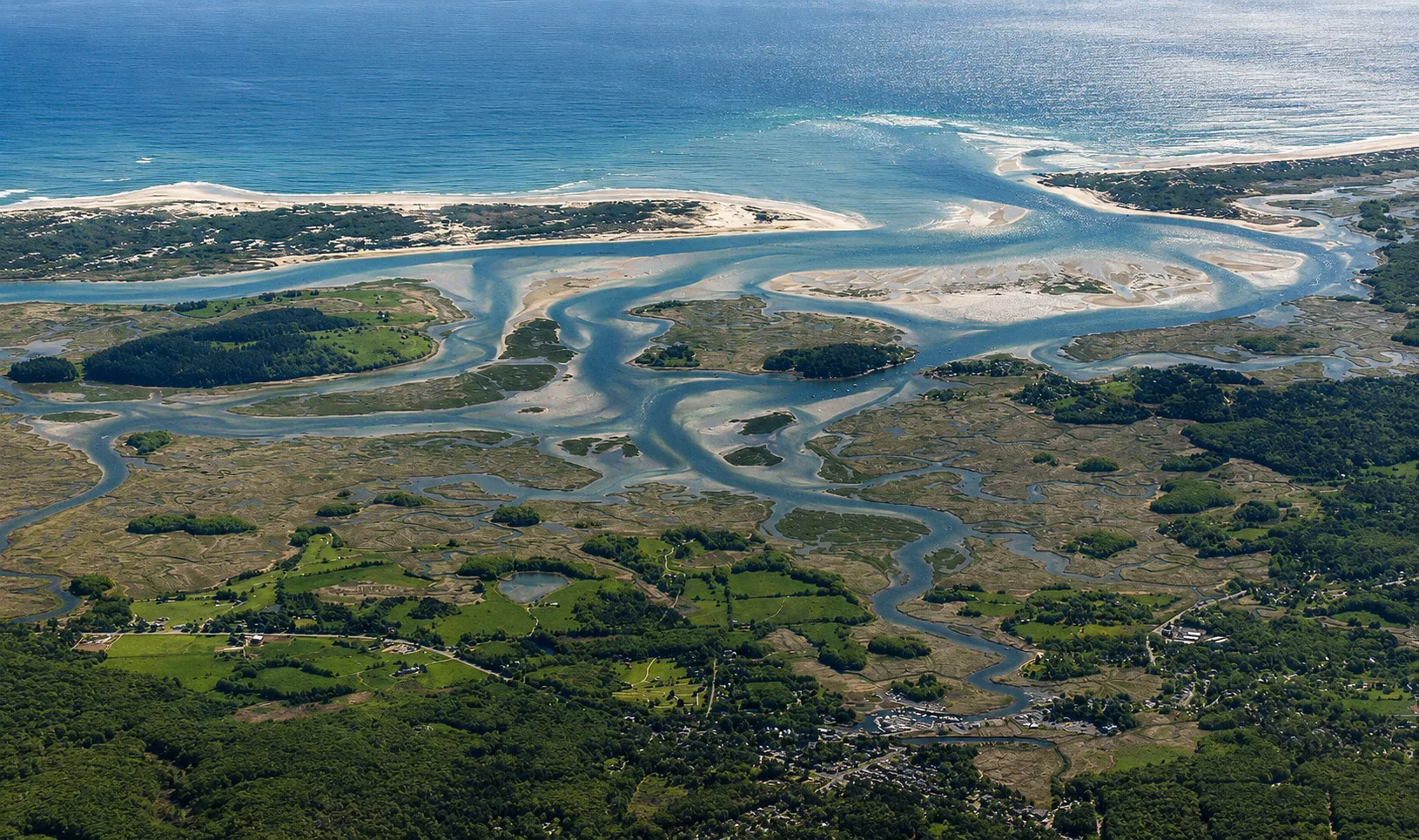
A vast salt marsh landscape along Massachusetts Bay on the North Shore

North Shore History · September 23, 2026 · 11 min read

The Great Marsh: How 25,000 Acres Shaped the North Shore

Drive the roads past Essex and Ipswich on the way to Newbury and the landscape opens up into wide, flat, golden land that stretches to the horizon. That is the Great Marsh, and it is not scenery. It is one of the most important natural features of the North Shore, and it has shaped the towns, the food, and the wildlife of the coast for centuries.

Read the note
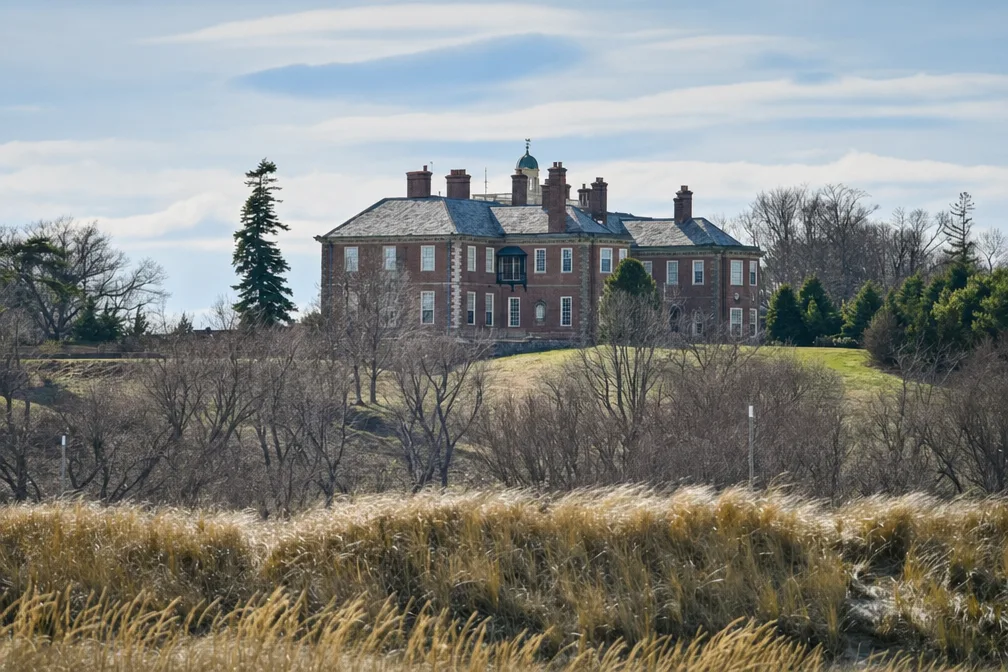
The grand Gilded Age mansion at Castle Hill on the Crane Estate in Ipswich, Massachusetts

North Shore History · September 23, 2026 · 12 min read

Castle Hill and the Crane Estate: A Gilded Age Legacy on the North Shore

The Crane Estate on Castle Hill has drawn visitors to the Ipswich coast for generations, and once you stand on that hill looking over the sea, it is easy to see why. The story behind it is just as dramatic as the view: an earlier dream that failed, a Gilded Age fortune, and a great house that nearly never came to be.

Read the note

Let’s make a smart move

Let’s talk about what makes sense for you.

One conversation is usually enough to see your options clearly. Book a time, ask a question, or just call: whichever feels natural. You don’t have to figure this out alone.