
Buying Your Next Home
Multi-Generational Living on the North Shore: Finding the Perfect In-Law Setup
Published September 23, 2026 · Updated September 2026 · 8 min read
Buying Your Next Home
Published September 23, 2026 · Updated September 2026 · 8 min read
Key Takeaways
Many North Shore homes can support multi-generational living, and the layout that works legally in the town is the one worth finding.
Check a candidate suite like a professional: private entrance, ground-floor bath, kitchen, laundry, parking, and a zero-step route, plus sound separation and heat control.
Whether an in-law apartment is legal is decided by the town's zoning and the property's approvals, so verify the bylaw and the certificate of occupancy with the building department before you offer.
Financing, tax treatment, and insurance follow the approvals, so lenders and tax professionals who know in-law setups are part of the plan.
Shared living works on ground rules; the household that plans the arrangement as carefully as the floor plan enjoys the quiet in equal measure.
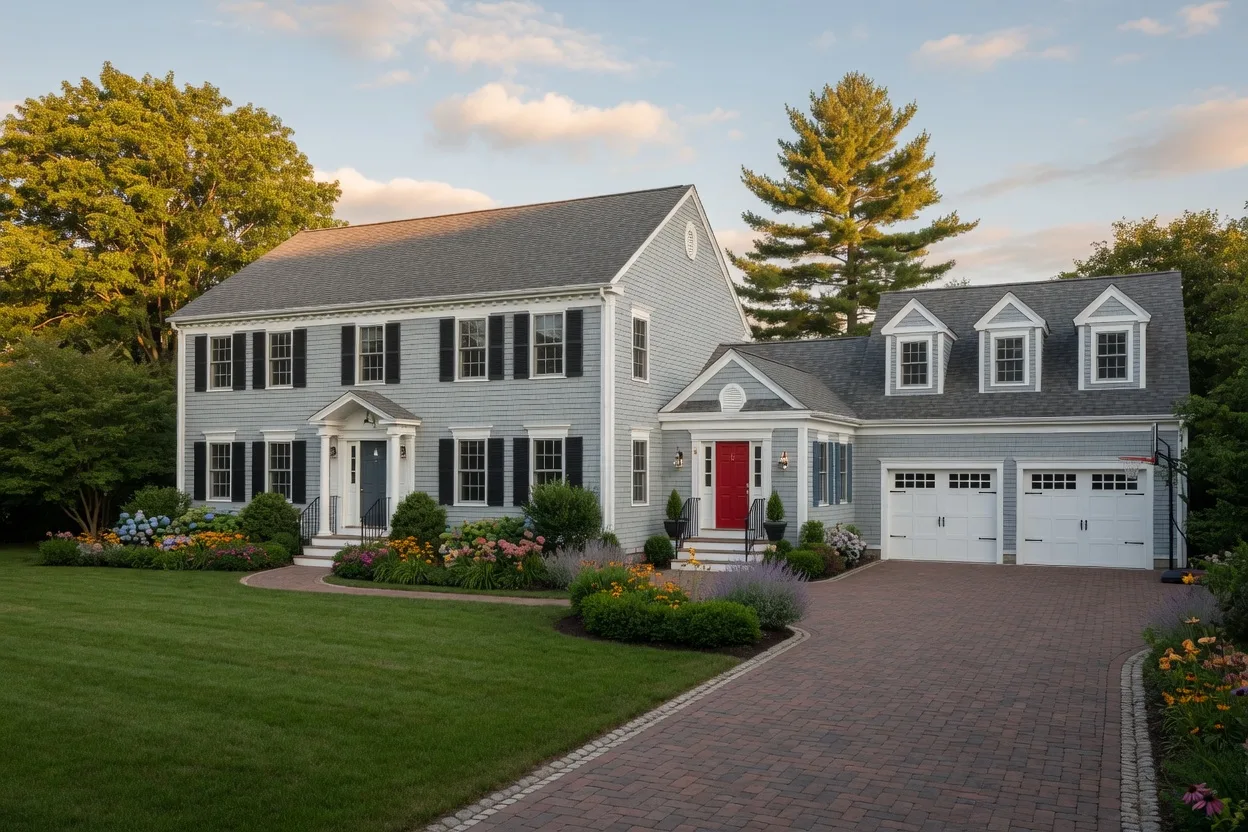
Aging parents moving in with adult children, grown children returning home, or extended households pooling resources: the decision is about care, cost, community, and company all at once. On the North Shore, the housing stock actually supports the choice, with properties that offer wings, ground-floor suites, separate entrances, and carriage houses.
The result is a household with more hands, shared costs, and a rhythm built around each other, and the home that supports the rhythm is the one worth finding. When the arrangement works, it is a decision households repeat, and the right layout makes the difference every single day.
Walk a candidate home with the listing in one hand and this checklist in the other: a private entrance, either separate from the main door or clearly its own; a bathroom on the ground floor; a kitchen or kitchenette for real independence; laundry access that does not require crossing through another household's space; parking for both households without a daily negotiation; and, where possible, a zero-step route into the unit.
Add the daily items a listing never shows: sound separation between the living spaces, heating and cooling controls for each area, daylight in the suite, and storage that does not belong to anyone at all. A suite that works in July can still fail in January if the heat and the floor plan never met. Score the checklist honestly, because the layout is the relationship.
Whether an in-law apartment is legal has everything to do with the town's zoning and the property's approvals, and less to do with the floor plan. Some towns allow accessory apartments as of right, others by special permit, and others not at all, so the bylaw, the parcel's zoning, and the property's certificate of occupancy are the honest sources, and the building department is the door to knock on.
Ask directly whether the unit is a legal accessory apartment, whether it has the town's approvals and a certificate of occupancy for living space, and what the process would be to finish or legalize one. The answers shape financing, insurance, and resale, and every one of them is discoverable before you offer, not after.
Every North Shore town writes its own rules on in-law and accessory apartments, and the differences between towns, in zoning density, building codes, and even tax classification, matter more than the floor plan does. A setup that is a legal accessory apartment in one town can require a special permit in the next.
This is exactly the kind of question to bring to a local agent and the town office together, because the town's answer is the fact and the local knowledge is the translation. I have watched households choose between towns on exactly this rule, and the town that says yes is the town the search starts in.
Financing and tax treatment vary with the setup: lenders treat a legal accessory apartment differently from an unapproved layout, and tax classification, occupancy rules, and insurance all follow the approvals. A lender who has financed in-law setups before is worth a conversation, and a tax professional can explain the treatment for your situation in real terms.
None of this is a reason to avoid shared living; it is a reason to check the boxes before you sign, so the arrangement you plan is the arrangement you buy.
Ask Kathleen
Straight answers to the questions this season keeps bringing up, from the article above.
A legal accessory apartment, an attached unit within or alongside a house, with its own living space, bedroom, bathroom, and often kitchen, designed as a separate household within the home. Whether it is legal depends on the town's zoning and the property's approvals, not the floor plan alone.
No. Legality varies widely across North Shore towns: some allow accessory apartments as of right, others by special permit, and others not at all. The town's zoning bylaw and the property's certificate of occupancy are the honest answers, and the building department is the door to knock on.
Check the property's zoning district, ask whether the unit exists legally, whether it has town approvals and a certificate of occupancy for living space, and what the process would be to legalize one. Every part of that is discoverable before you offer.
Ask whether the unit is a legal accessory apartment, how the lender treats the arrangement, how tax classification and insurance follow the approvals, and what a lender who has financed in-law setups before would need from the paperwork. A tax professional can explain the treatment for your situation.
The same questions and answers, un-styled and sequential, so they can be read and extracted easily.
Q: What is an in-law suite?
A: A legal accessory apartment, an attached unit within or alongside a house, with its own living space, bedroom, bathroom, and often kitchen, designed as a separate household within the home. Whether it is legal depends on the town's zoning and the property's approvals, not the floor plan alone.
Q: Are in-law apartments legal in every town?
A: No. Legality varies widely across North Shore towns: some allow accessory apartments as of right, others by special permit, and others not at all. The town's zoning bylaw and the property's certificate of occupancy are the honest answers, and the building department is the door to knock on.
Q: How do I know if a property is approved for one?
A: Check the property's zoning district, ask whether the unit exists legally, whether it has town approvals and a certificate of occupancy for living space, and what the process would be to legalize one. Every part of that is discoverable before you offer.
Q: What financing questions should I ask?
A: Ask whether the unit is a legal accessory apartment, how the lender treats the arrangement, how tax classification and insurance follow the approvals, and what a lender who has financed in-law setups before would need from the paperwork. A tax professional can explain the treatment for your situation.

Written by
Kathleen Militello, Realtor®
The Militello Team · AI Certified Agent™ · Certified Negotiation Specialist™ · eXp Realty
Related reading
 Things to Do A Gorgeous October Day at Crane Beach: A Reminder to Love Where You Live
  Buying / Open Houses How to Get the Most Out of an Open House
  Relocation From Boston to the Coast: Why the North Shore Keeps Calling This Fall
  Weekend Happenings This Weekend on the North Shore: October 2-4, 2026
  Buyer & Seller Tips What Actually Happens on Closing Day in Massachusetts
  Buyer & Seller Tips Will I Owe Capital Gains Tax When I Sell My North Shore Home?
  Selling Your Home Divorce: Navigating Home Decisions During Divorce
  Relocation Moving from Boston to the North Shore: A Practical Guide
  Market Knowledge Fall 2026 North Shore Housing Market Update
  Home Value & Pricing Is a Zillow Zestimate Accurate? What the Number Really Means
  Selling Your Home Pulling Permits for Home Improvements: Why Closing Them Out Matters When You Sell
  Buying Your Next Home How to Win a Bidding War on a North Shore Home Without Overpaying
  Selling Your Home How to Price Your North Shore Home to Sell: The Strategy Behind the Number First-Time Home Buyers How Much Do You Need to Save to Buy a First Home on the North Shore?
  Selling Your Home Selling a Luxury Home on the North Shore: How the High End Is Different
  Market Knowledge Days on Market on the North Shore: What a Fast or Slow Sale Actually Tells You
  Neighborhood Guides Gloucester vs Rockport, MA: Which Cape Ann Town Is Right for You?
  North Shore History The History of Ipswich: America's Best-Preserved Puritan Town
  Things to Do North Shore Beaches: A Local's Guide to the Best Sand and Swimming
  Town notes Rockport: The Town Note
  Local / Fall Events Apple Picking on the North Shore: A Local's Guide to the Best Orchards
 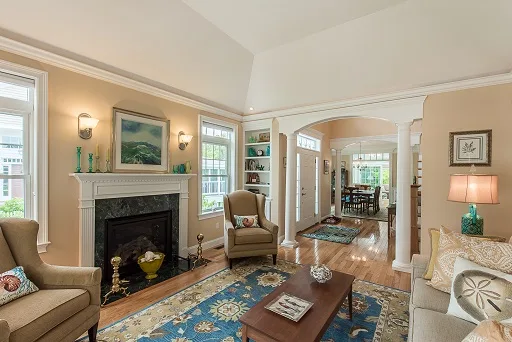 Downsizing on the North Shore The Real Cost of Staying in Your Big North Shore House
  Local / Fall Events Topsfield Fair 2026: Your Day-by-Day Guide to October 2-12
  Things to Do Topsfield Fair 2026 and the Best of Fall on the North Shore
  Neighborhood Guides The Second Look: How Smart Buyers Really Get to Know a Neighborhood
  Selling Your Home Your Home Didn't Sell: What Likely Went Wrong and Your Next Steps
  First-Time Home Buyers Massachusetts First-Time Home Buyer Programs in 2026: Where the Down Payment Help Really Is
  Market Knowledge Median vs. Average Home Price: What North Shore Market Reports Actually Tell You
  North Shore History The Great Salem Fire of 1914: The Day a Third of the City Burned
  Things to Do North Shore Lighthouses: A Local's Guide to Six Lights Worth the Drive
  Neighborhood Guides Beverly vs. Salem: How to Choose Between the North Shore's Two Cities
  Buying Your Next Home North Shore Property Taxes: What a $700,000 Home Costs to Carry in Each Town
  Downsizing on the North Shore Moving to a CCRC on the North Shore: How Selling Your Home Fits Into the Math
  Town notes Newburyport: The Town Note
  Town notes Beverly: the town that felt like home from the start
  Town notes Cape Ann: Gloucester, Rockport, and Essex
  Town notes Ipswich, Manchester-by-the-Sea, and the coast between
  Market Knowledge North Shore Fall 2026: What Buyers and Sellers Should Watch This Season
  Market Knowledge List Now or Wait for Spring? The Pre-Holiday Math for Sellers
  Buying Your Next Home Mortgage Rates Are Headline News. Here's What Actually Matters for Your Move
  Neighborhood Guides Salem in October: Behind the Crowds, One of the North Shore's Most Livable Towns
  Downsizing on the North Shore Downsizing Before the Holidays: A Realistic Week-by-Week Timeline
  First-Time Home Buyers The First-Time Buyer's Fall Checklist for the Coastal North Shore Market Knowledge Empty Nesters Are Driving the North Shore's Most Interesting Moves: Here's the Pattern
  Downsizing on the North Shore Two Bedrooms, a View, and Room for the Kayaks: How to Right-Size Without Losing What You Love
  Downsizing on the North Shore From Big House to Coastal Base: A Sea-Change Buyer's Guide for Empty Nesters Buying Your Next Home Empty Nest, New Chapter: Condo, Cottage, or Townhouse on the North Shore
  Market Knowledge Selling the Big House: An Empty Nester's Pre-Move Checklist
  North Shore History Castle Hill and the Crane Estate: A Gilded Age Legacy on the North Shore
  North Shore History The Great Marsh: How 25,000 Acres Shaped the North Shore
  North Shore History Plum Island: The Barrier Beach That Shaped the North Shore Coast
  North Shore History Hammond Castle: The North Shore's Most Extraordinary Home and the Inventor Who Built It
  North Shore History Saugus River Iron Works: The Birthplace of the American Iron Industry
 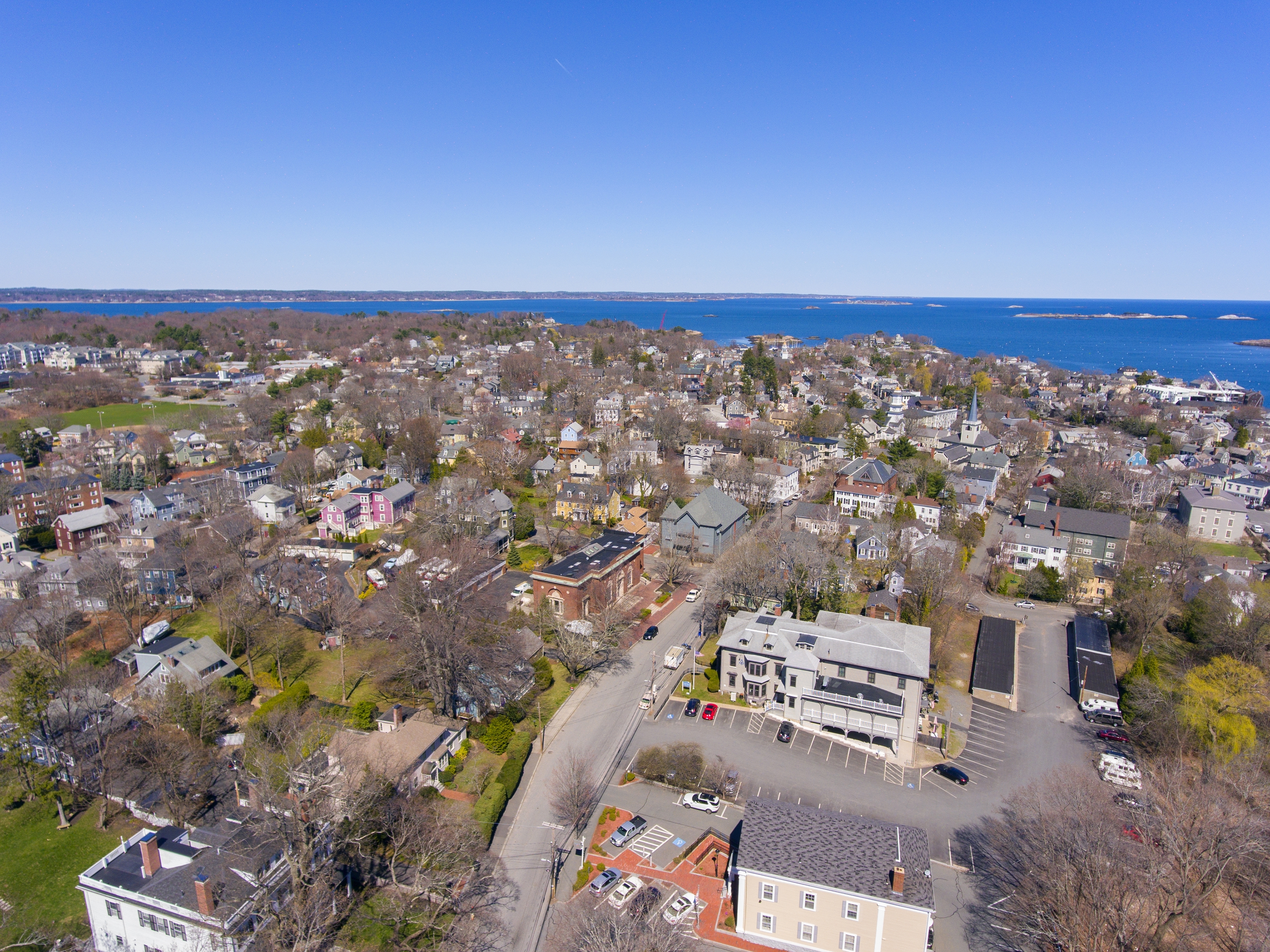 North Shore History Marblehead and the Sea: How a Fishing Village Became the Yachting Capital of the World
  North Shore History The Salem Witch Trials: How 1692 Still Shapes the North Shore
 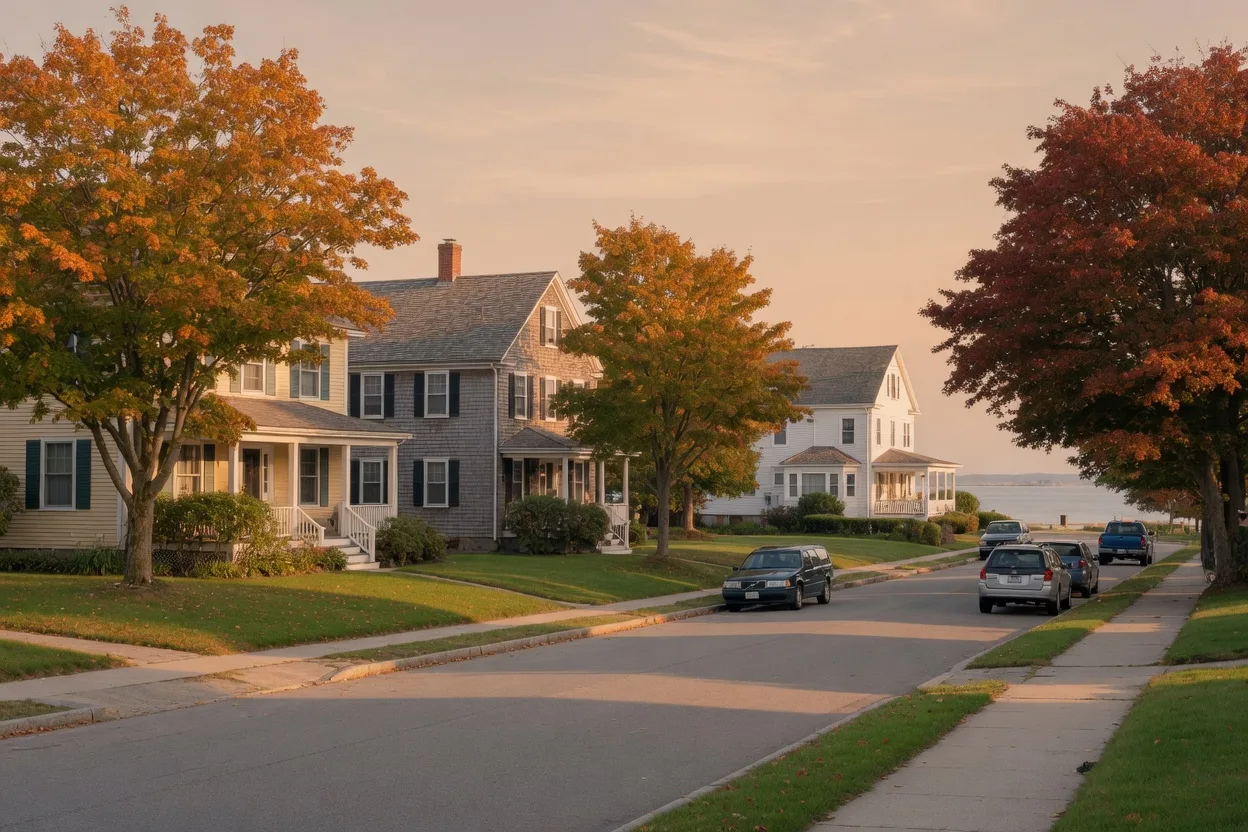 Buying Your Next Home How to Evaluate a North Shore Neighborhood Before You Buy: The 10-Point Checklist
 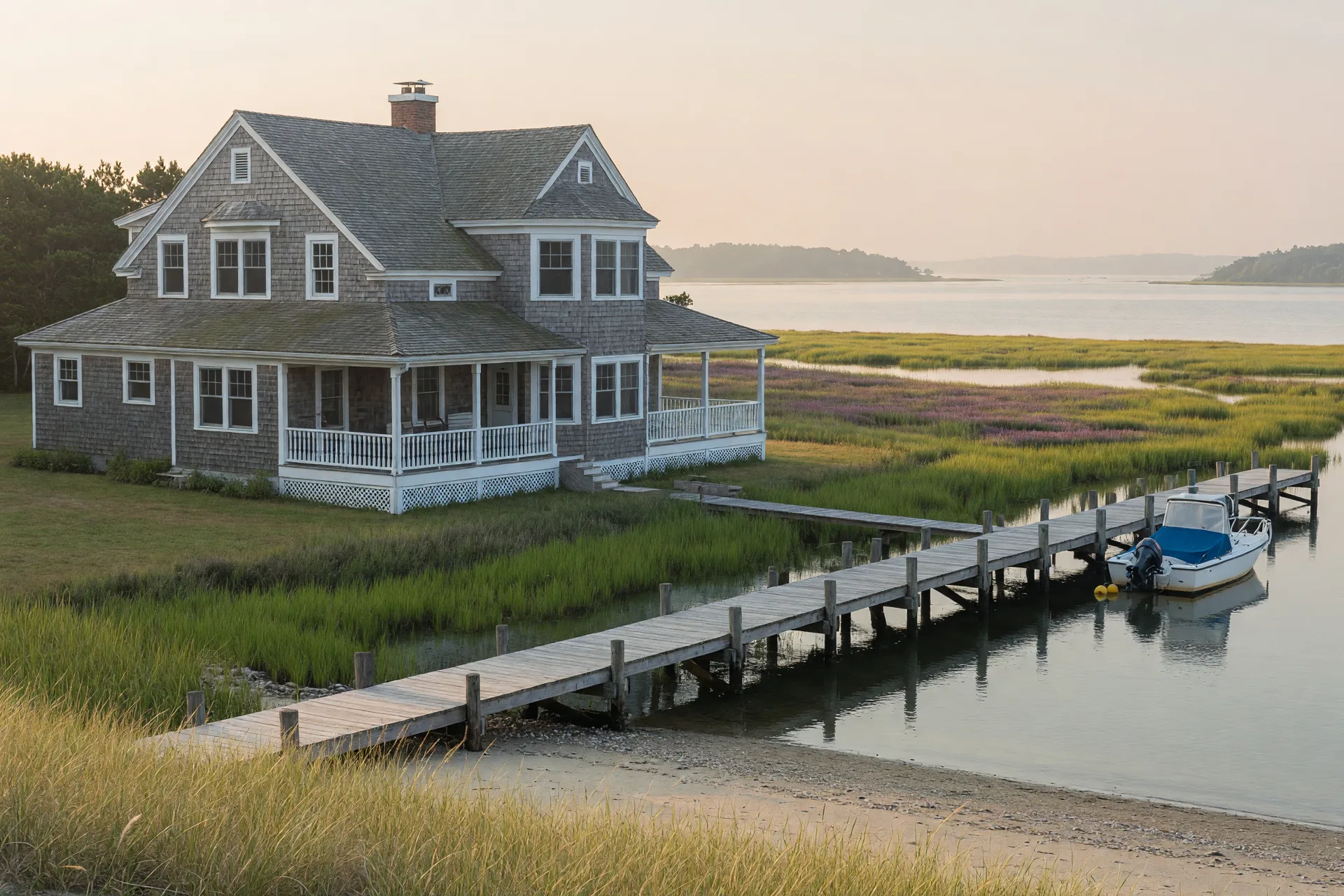 Buying Your Next Home Buying a Waterfront Home on the North Shore: What Experienced Buyers Know That First-Timers Don't
  Buying Your Next Home Commuter Rail Access on the North Shore: Which Towns Offer the Best Boston Commute?
  Buying Your Next Home North Shore School Districts: What Parents Need to Know Before Buying
 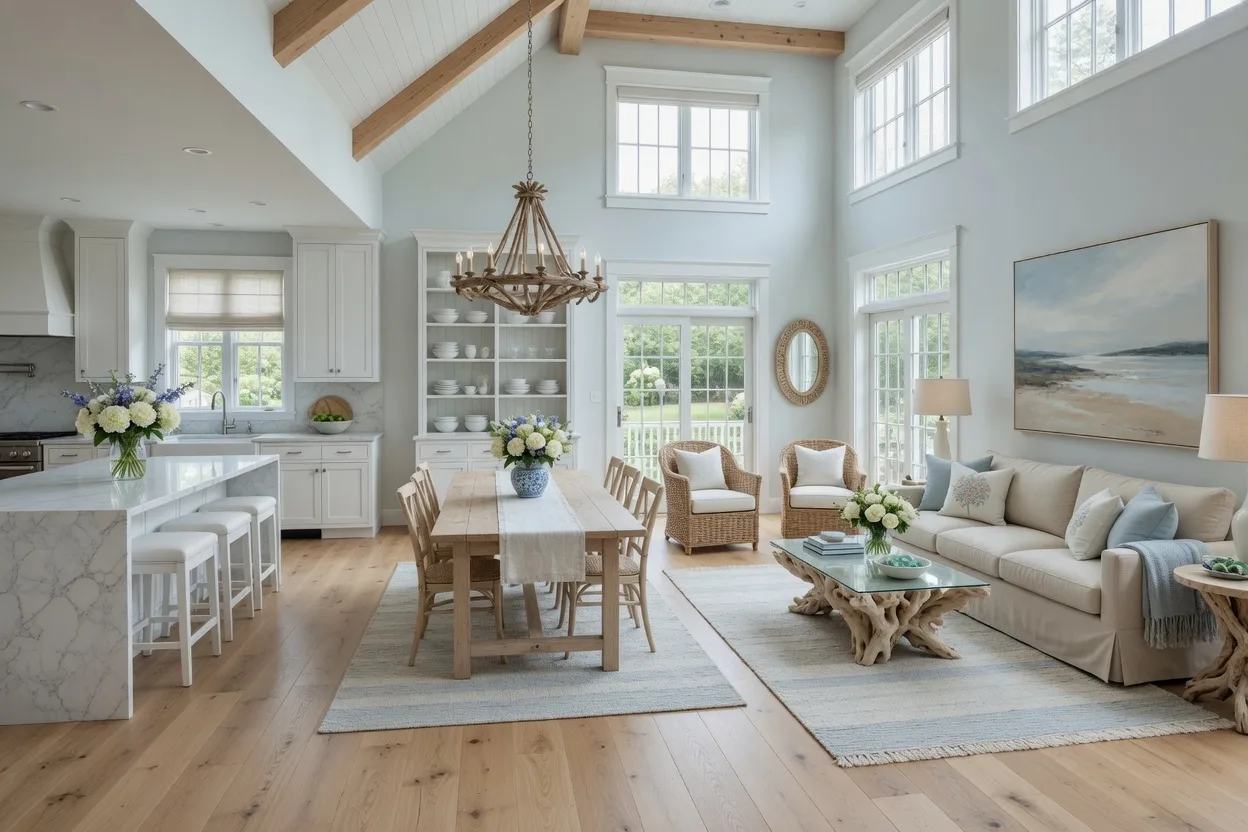 Buying Your Next Home Open Floor Plans vs. Traditional Layouts: What North Shore Buyers Should Consider
  Buying Your Next Home New Construction vs. Existing Homes on the North Shore: Which Is Right for You?
  Buying Your Next Home Upgrading from a Starter Home: A Move-Up Buyer's Guide for the North Shore Buying Your Next Home Navigating Historic District Commissions: What North Shore Buyers Must Know Before Closing
  Buying Your Next Home The Home Buyer's Guide to Historic North Shore Neighborhoods
  Buying Your Next Home What Every Buyer Should Know About Private Roads Before Purchasing a North Shore Home
  Buying Your Next Home What You Should Know Before Buying a Home with a Septic System in Massachusetts
  Buying Your Next Home How to Buy Your Next Home Without Feeling Rushed Into the Wrong Decision
  Buying Your Next Home What to Look for in Your Next Home That You Didn't Think About the First Time
  Buying Your Next Home Should You Stay in the Same Town or Move Somewhere New? A North Shore Homeowner's Guide Downsizing on the North Shore The Kids Are Gone. Is It Time to Sell Your North Shore Home? Downsizing on the North Shore Where Do North Shore Empty Nesters Go After Selling the House? Downsizing on the North Shore Sell First or Buy First? A North Shore Empty Nester's Guide to Making the Move Downsizing on the North Shore What Would Life Cost After You Sell Your North Shore Home? Downsizing on the North Shore Downsizing Without Regret Downsizing on the North Shore Downsize to a Walkable North Shore Downtown Downsizing on the North Shore The Hidden Costs of Downsizing Downsizing on the North Shore The Single-Story Living Checklist Downsizing on the North Shore When NOT to Downsize Downsizing on the North Shore Should You Sell Before You Need To? Downsizing on the North Shore Using Your Home Equity to Fund Retirement Downsizing on the North Shore Aging in Place on the North Shore Downsizing on the North Shore Sell and Stay: Accessing Your Home Equity Without Moving Downsizing on the North Shore How to Time the Sale of Your Longtime Home When Downsizing Downsizing on the North Shore Navigating 55+ Active Adult Communities on Boston's North Shore Downsizing on the North Shore The Emotional Side of Downsizing Downsizing on the North Shore What to Keep, Donate, Sell, or Give to Loved Ones Downsizing on the North Shore How to Downsize Without Feeling Overwhelmed Downsizing on the North Shore The 12-Month Downsizing Timeline Downsizing on the North Shore Downsizing With Adult Children Downsizing on the North Shore The 7 Financial Mistakes North Shore Seniors Make When Downsizing Downsizing on the North Shore Downsizing in Winter Things to Do North Shore Fall Activities Guide 2026: Harvest Festivals, Foliage Drives, and Coastal Events Market Knowledge Appraisal Changes Coming November 2, 2026: What North Shore Sellers and Agents Need to Know Weekend Events What's Happening on the North Shore This Weekend: September 26-27, 2026
  Market Knowledge Fall Home Maintenance Checklist: Getting Your North Shore Home Ready for Winter
  First-Time Home Buyers Your First Open House: What to Look For (and What to Skip)
  Neighborhood Guides The Most Walkable North Shore Towns: Main Street Living
  North Shore History From Saltbox to Shingle Style: A Quick Tour of North Shore Home Styles
  Downsizing on the North Shore Downsizing Without Overwhelm: The One-Room-at-a-Time Plan
  Weekend Events Fall Weekends on the North Shore: A Seasonal Guide Luxury Coastal Living Coastal Luxury on the North Shore: What Buyers Should Know
  Market Knowledge Should I Buy Now or Wait? What North Shore Buyers Are Asking in 2026
 From the page to the porch
A note can only tell you so much. Let Kathleen take you through the towns, the streets, and the options that actually fit.