
Buying Your Next Home
What You Should Know Before Buying a Home with a Septic System in Massachusetts
Published September 23, 2026 · Updated September 2026 · 8 min read
Buying Your Next Home
Published September 23, 2026 · Updated September 2026 · 8 min read
Key Takeaways
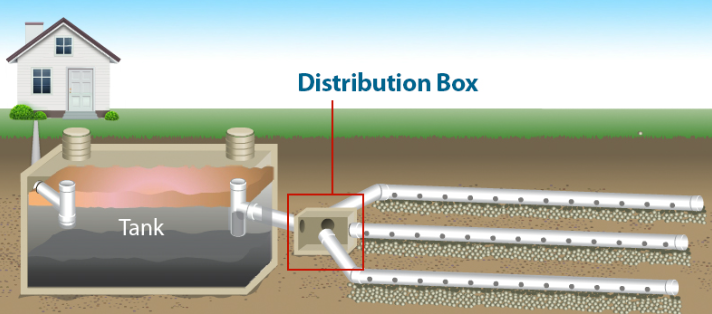
Many North Shore homes outside town sewers use septic systems, which treat the household's wastewater entirely on the property through a tank and a soil absorption area.
Title 5 is the Massachusetts regulation governing septic systems, and its inspection is typically required at the time of transfer or change of use.
Read the Title 5 report like the deed: it is the system's bill of health, and a failed one starts the conversation about repairs and responsibility.
Common issues, undersized tanks, tired leaching areas, water infiltration, and past backups, are visible in the report and on the ground when you know what to look for.
Septic systems are maintained, not left to chance: pumping on schedule, sensible water use, and a maintenance log give the system a history you can trust.
A septic system is the home's own wastewater treatment plant: waste flows from the house into a buried tank, where solids settle, and the liquid then disperses into a leaching area in the soil, which does the final treatment. The system is sized for the house and the soil, and it works quietly for decades when treated well.
Buyers on the North Shore will meet septic systems in exactly the places a map would predict: rural areas, coastal pockets, and towns without full sewer coverage, which is part of what keeps those neighborhoods spacious and green. The system is a feature of the property, and understanding it is the first step to buying it confidently.
Title 5 is the Massachusetts state regulation that governs septic systems, and in practice it means a septic system inspection is typically required at the time of transfer or change of use, performed by an approved inspector. The inspection checks the tank, the soil absorption system, and the conditions between them, and it produces a report that says whether the system passes, and that report travels with the sale.
A passing Title 5 report is one of the cleanest pieces of paper in a Massachusetts home sale, and a failed one triggers the conversation about repairs, replacements, or shared responsibility, so read the report like the deed: line by line, with questions. The inspection is the system's bill of health at the moment you meet it.
The usual suspects in a septic system are the ones inspectors flag: an undersized tank for the house, a leaching area that has reached the end of its useful life, crushed or blocked components, water infiltration that overwhelms the system, and evidence of past backups. On the coast, high groundwater and seasonal changes put extra load on a system at the wettest time of year.
Walk the property with the report in hand and the inspector's notes in mind: wet or spongy ground over the leaching area, slow drains, gurgling sounds, and odors are the signs worth asking about. A system approaching the end of its life is not a reason to walk away; it is a reason to know the condition before you negotiate.
A septic system is maintained, not repaired by accident: the tank is pumped on a schedule that fits the household size, water use stays sensible, and the things that should not go down the drain do not. The soil absorption area needs to stay free of heavy vehicles, paving, and the roots that invade it, and the record of those habits lives in the maintenance log.
The good news is that well-maintained systems serve households for decades, and the maintenance rhythm is simple: know your system, keep the record, and keep the winter and the wet seasons in mind. A system with a maintenance log is a system with a history you can trust.
In Massachusetts, septic system information travels with the sale by law and by habit: the seller's disclosure covers the system, the Title 5 report is part of the transfer documents, and the local board of health holds the records. Buyers should ask for the full file, the most recent inspection, the maintenance records, and any notices from the board of health, and read them before the offer, not after.
Due diligence is the point: whether you are buying a home with a board-of-health file in perfect order or one with questions in the record, the knowledge belongs with you before you commit. A septic system is nowhere near as mysterious as it first seems, and a buyer who reads the file walks into the closing with confidence instead of surprises.
Ask Kathleen
Straight answers to the questions this season keeps bringing up, from the article above.
Title 5 is the Massachusetts state regulation governing septic systems, and in practice it means a septic system inspection is typically required at the time of transfer or change of use, performed by an approved inspector. The report says whether the system passes and travels with the sale.
A failed Title 5 report triggers the conversation about repairs, a replacement system, or shared responsibility between the parties, negotiated as part of the sale. Read the report with your agent to understand the condition, the options, and what a realistic path looks like for the property.
Responsibility is negotiated between buyer and seller as part of the transaction, and the condition of the system at transfer is exactly what the Title 5 report documents. The seller's disclosure, the board of health records, and the inspection report together give both sides the facts for that conversation.
Have the tank pumped on a schedule that fits the household, keep water use sensible, keep the leaching area clear of vehicles and roots, and record the service in a maintenance log. A system with a record of those habits is a system with a history you can trust.
The same questions and answers, un-styled and sequential, so they can be read and extracted easily.
Q: What is Title 5?
A: Title 5 is the Massachusetts state regulation governing septic systems, and in practice it means a septic system inspection is typically required at the time of transfer or change of use, performed by an approved inspector. The report says whether the system passes and travels with the sale.
Q: What happens if the system fails inspection?
A: A failed Title 5 report triggers the conversation about repairs, a replacement system, or shared responsibility between the parties, negotiated as part of the sale. Read the report with your agent to understand the condition, the options, and what a realistic path looks like for the property.
Q: Who is responsible for repairs?
A: Responsibility is negotiated between buyer and seller as part of the transaction, and the condition of the system at transfer is exactly what the Title 5 report documents. The seller's disclosure, the board of health records, and the inspection report together give both sides the facts for that conversation.
Q: How do I maintain a septic system?
A: Have the tank pumped on a schedule that fits the household, keep water use sensible, keep the leaching area clear of vehicles and roots, and record the service in a maintenance log. A system with a record of those habits is a system with a history you can trust.

Written by
Kathleen Militello, Realtor®
The Militello Team · AI Certified Agent™ · Certified Negotiation Specialist™ · eXp Realty
Related reading
 Things to Do A Gorgeous October Day at Crane Beach: A Reminder to Love Where You Live
  Buying / Open Houses How to Get the Most Out of an Open House
  Relocation From Boston to the Coast: Why the North Shore Keeps Calling This Fall
  Weekend Happenings This Weekend on the North Shore: October 2-4, 2026
  Buyer & Seller Tips What Actually Happens on Closing Day in Massachusetts
  Buyer & Seller Tips Will I Owe Capital Gains Tax When I Sell My North Shore Home?
  Selling Your Home Divorce: Navigating Home Decisions During Divorce
  Relocation Moving from Boston to the North Shore: A Practical Guide
  Market Knowledge Fall 2026 North Shore Housing Market Update
  Home Value & Pricing Is a Zillow Zestimate Accurate? What the Number Really Means
  Selling Your Home Pulling Permits for Home Improvements: Why Closing Them Out Matters When You Sell
  Buying Your Next Home How to Win a Bidding War on a North Shore Home Without Overpaying
  Selling Your Home How to Price Your North Shore Home to Sell: The Strategy Behind the Number First-Time Home Buyers How Much Do You Need to Save to Buy a First Home on the North Shore?
  Selling Your Home Selling a Luxury Home on the North Shore: How the High End Is Different
  Market Knowledge Days on Market on the North Shore: What a Fast or Slow Sale Actually Tells You
  Neighborhood Guides Gloucester vs Rockport, MA: Which Cape Ann Town Is Right for You?
  North Shore History The History of Ipswich: America's Best-Preserved Puritan Town
  Things to Do North Shore Beaches: A Local's Guide to the Best Sand and Swimming
  Town notes Rockport: The Town Note
  Local / Fall Events Apple Picking on the North Shore: A Local's Guide to the Best Orchards
  Downsizing on the North Shore The Real Cost of Staying in Your Big North Shore House
  Local / Fall Events Topsfield Fair 2026: Your Day-by-Day Guide to October 2-12
  Things to Do Topsfield Fair 2026 and the Best of Fall on the North Shore
  Neighborhood Guides The Second Look: How Smart Buyers Really Get to Know a Neighborhood
  Selling Your Home Your Home Didn't Sell: What Likely Went Wrong and Your Next Steps
  First-Time Home Buyers Massachusetts First-Time Home Buyer Programs in 2026: Where the Down Payment Help Really Is
  Market Knowledge Median vs. Average Home Price: What North Shore Market Reports Actually Tell You
  North Shore History The Great Salem Fire of 1914: The Day a Third of the City Burned
  Things to Do North Shore Lighthouses: A Local's Guide to Six Lights Worth the Drive
  Neighborhood Guides Beverly vs. Salem: How to Choose Between the North Shore's Two Cities
  Buying Your Next Home North Shore Property Taxes: What a $700,000 Home Costs to Carry in Each Town
  Downsizing on the North Shore Moving to a CCRC on the North Shore: How Selling Your Home Fits Into the Math
  Town notes Newburyport: The Town Note
  Town notes Beverly: the town that felt like home from the start
  Town notes Cape Ann: Gloucester, Rockport, and Essex
  Town notes Ipswich, Manchester-by-the-Sea, and the coast between
  Market Knowledge North Shore Fall 2026: What Buyers and Sellers Should Watch This Season
  Market Knowledge List Now or Wait for Spring? The Pre-Holiday Math for Sellers
  Buying Your Next Home Mortgage Rates Are Headline News. Here's What Actually Matters for Your Move
  Neighborhood Guides Salem in October: Behind the Crowds, One of the North Shore's Most Livable Towns
  Downsizing on the North Shore Downsizing Before the Holidays: A Realistic Week-by-Week Timeline
  First-Time Home Buyers The First-Time Buyer's Fall Checklist for the Coastal North Shore Market Knowledge Empty Nesters Are Driving the North Shore's Most Interesting Moves: Here's the Pattern
  Downsizing on the North Shore Two Bedrooms, a View, and Room for the Kayaks: How to Right-Size Without Losing What You Love
  Downsizing on the North Shore From Big House to Coastal Base: A Sea-Change Buyer's Guide for Empty Nesters Buying Your Next Home Empty Nest, New Chapter: Condo, Cottage, or Townhouse on the North Shore
  Market Knowledge Selling the Big House: An Empty Nester's Pre-Move Checklist
  North Shore History Castle Hill and the Crane Estate: A Gilded Age Legacy on the North Shore
  North Shore History The Great Marsh: How 25,000 Acres Shaped the North Shore
  North Shore History Plum Island: The Barrier Beach That Shaped the North Shore Coast
  North Shore History Hammond Castle: The North Shore's Most Extraordinary Home and the Inventor Who Built It
  North Shore History Saugus River Iron Works: The Birthplace of the American Iron Industry
  North Shore History Marblehead and the Sea: How a Fishing Village Became the Yachting Capital of the World
  North Shore History The Salem Witch Trials: How 1692 Still Shapes the North Shore
  Buying Your Next Home How to Evaluate a North Shore Neighborhood Before You Buy: The 10-Point Checklist
  Buying Your Next Home Buying a Waterfront Home on the North Shore: What Experienced Buyers Know That First-Timers Don't
  Buying Your Next Home Commuter Rail Access on the North Shore: Which Towns Offer the Best Boston Commute?
  Buying Your Next Home North Shore School Districts: What Parents Need to Know Before Buying
  Buying Your Next Home Open Floor Plans vs. Traditional Layouts: What North Shore Buyers Should Consider
  Buying Your Next Home New Construction vs. Existing Homes on the North Shore: Which Is Right for You?
  Buying Your Next Home Upgrading from a Starter Home: A Move-Up Buyer's Guide for the North Shore
  Buying Your Next Home Multi-Generational Living on the North Shore: Finding the Perfect In-Law Setup Buying Your Next Home Navigating Historic District Commissions: What North Shore Buyers Must Know Before Closing
  Buying Your Next Home The Home Buyer's Guide to Historic North Shore Neighborhoods
  Buying Your Next Home What Every Buyer Should Know About Private Roads Before Purchasing a North Shore Home
  Buying Your Next Home How to Buy Your Next Home Without Feeling Rushed Into the Wrong Decision
  Buying Your Next Home What to Look for in Your Next Home That You Didn't Think About the First Time
  Buying Your Next Home Should You Stay in the Same Town or Move Somewhere New? A North Shore Homeowner's Guide Downsizing on the North Shore The Kids Are Gone. Is It Time to Sell Your North Shore Home? Downsizing on the North Shore Where Do North Shore Empty Nesters Go After Selling the House? Downsizing on the North Shore Sell First or Buy First? A North Shore Empty Nester's Guide to Making the Move Downsizing on the North Shore What Would Life Cost After You Sell Your North Shore Home? Downsizing on the North Shore Downsizing Without Regret Downsizing on the North Shore Downsize to a Walkable North Shore Downtown Downsizing on the North Shore The Hidden Costs of Downsizing Downsizing on the North Shore The Single-Story Living Checklist Downsizing on the North Shore When NOT to Downsize Downsizing on the North Shore Should You Sell Before You Need To? Downsizing on the North Shore Using Your Home Equity to Fund Retirement Downsizing on the North Shore Aging in Place on the North Shore Downsizing on the North Shore Sell and Stay: Accessing Your Home Equity Without Moving Downsizing on the North Shore How to Time the Sale of Your Longtime Home When Downsizing Downsizing on the North Shore Navigating 55+ Active Adult Communities on Boston's North Shore Downsizing on the North Shore The Emotional Side of Downsizing Downsizing on the North Shore What to Keep, Donate, Sell, or Give to Loved Ones Downsizing on the North Shore How to Downsize Without Feeling Overwhelmed Downsizing on the North Shore The 12-Month Downsizing Timeline Downsizing on the North Shore Downsizing With Adult Children Downsizing on the North Shore The 7 Financial Mistakes North Shore Seniors Make When Downsizing Downsizing on the North Shore Downsizing in Winter Things to Do North Shore Fall Activities Guide 2026: Harvest Festivals, Foliage Drives, and Coastal Events Market Knowledge Appraisal Changes Coming November 2, 2026: What North Shore Sellers and Agents Need to Know Weekend Events What's Happening on the North Shore This Weekend: September 26-27, 2026
  Market Knowledge Fall Home Maintenance Checklist: Getting Your North Shore Home Ready for Winter
  First-Time Home Buyers Your First Open House: What to Look For (and What to Skip)
  Neighborhood Guides The Most Walkable North Shore Towns: Main Street Living
  North Shore History From Saltbox to Shingle Style: A Quick Tour of North Shore Home Styles
  Downsizing on the North Shore Downsizing Without Overwhelm: The One-Room-at-a-Time Plan
  Weekend Events Fall Weekends on the North Shore: A Seasonal Guide Luxury Coastal Living Coastal Luxury on the North Shore: What Buyers Should Know
  Market Knowledge Should I Buy Now or Wait? What North Shore Buyers Are Asking in 2026
 From the page to the porch
A note can only tell you so much. Let Kathleen take you through the towns, the streets, and the options that actually fit.